
Home loan tips
All Home Loan Guides
Guides and checklists designed to help with the common — and often complex — issues that are part of the home loan process. Use these reference materials to create smoother transactions and maybe even keep one from imploding.
 First Time Buyer
What Documents Are Needed For a Mortgage
Requirements by Loan Type. The paperwork required depends on your loan program, how you earn your income, and your financial situation. Conventional, FHA, VA, and USDA loans share many of the same requirements, but there are some important differences.
Read the guide → Manufactured Home Loans
Manufactured homes and ADUs
Manufactured homes and ADUs can present financing complications depending on various factors with each loan type having different requirements
Read the guide →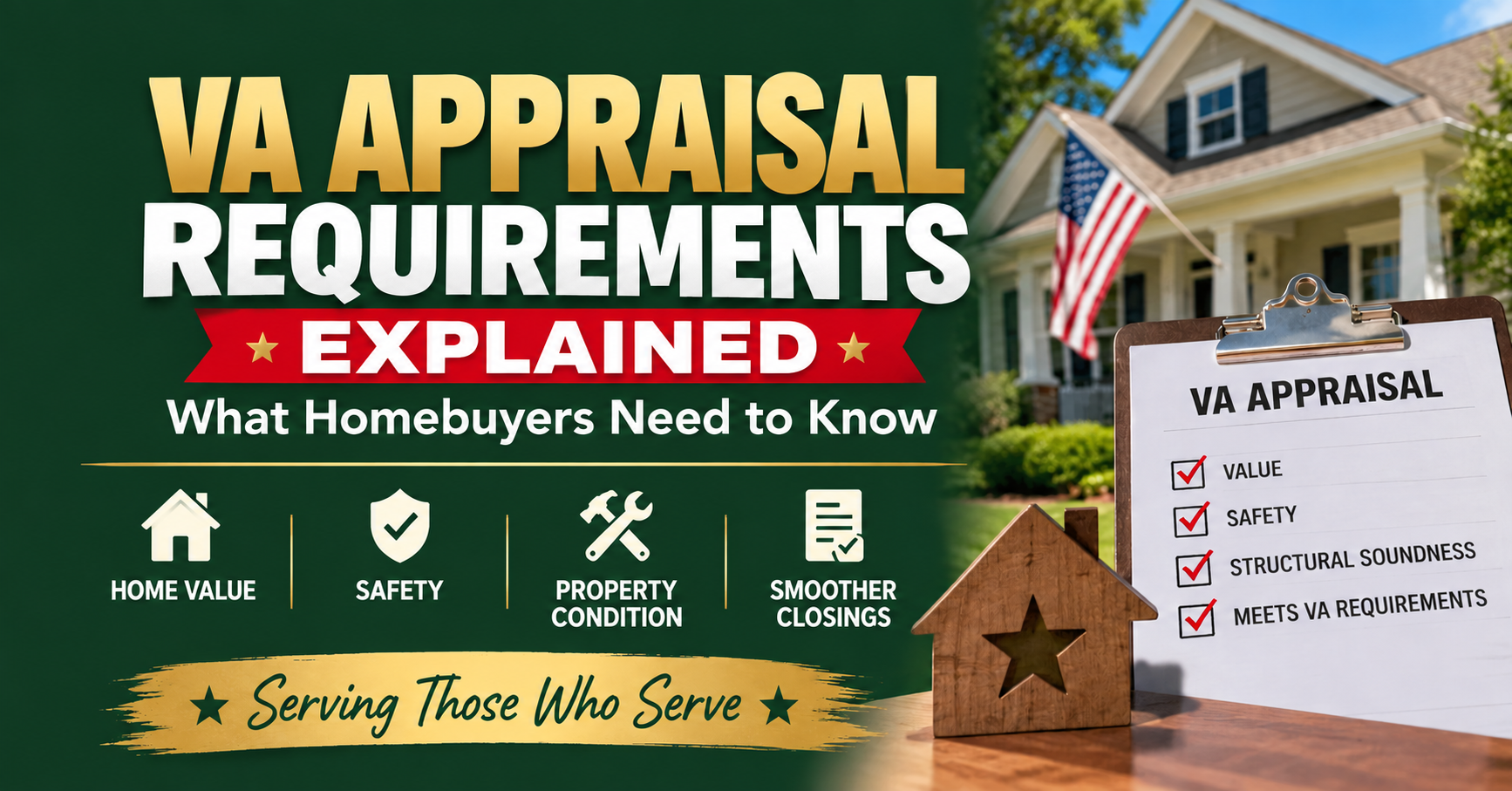 Property Condition & Appraisal
VA appraisal tips
If you’re buying a home with a VA loan, the VA appraisal is an important step in the process. It establishes the home's value and checks whether the property meets basic VA standards for safety, soundness and sanitation.
Read the guide → Monthly Payment Tips
Impound account tips
Depending on where you live and who you’re talking to, you may also hear these accounts called escrow accounts, impounds or trust accounts. Different names, but essentially the same concept: part of your monthly mortgage payment is set aside so your mortgage servicer can pay certain property-related bills when they come due.
Read the guide → First Time Buyer
First Time Home Buyer Basic Tips
Buying your first home can feel complicated, but working with an experienced Realtor and loan officer can make the process much easier. Understanding a few basic numbers and loan requirements before you start shopping can also help you avoid surprises.
Read the guide → Rate Tips
Shop the Loan Price, Not the Rate — What Does That Mean?
After my nearly 40 years in lending, there is one constant I can attest to. The bigger the lender the higher their loan price! What exactly is the loan price? It's the combination of the rate and lender fee tied to that rate
Read the guide → Loan Program tips
FHA Loan Tips
FHA loans are popular because they offer a low down payment, flexible credit guidelines, and more forgiving qualification requirements than many conventional loans. And despite a common misconception, you do not have to be a first-time home buyer to qualify.
Read the guide →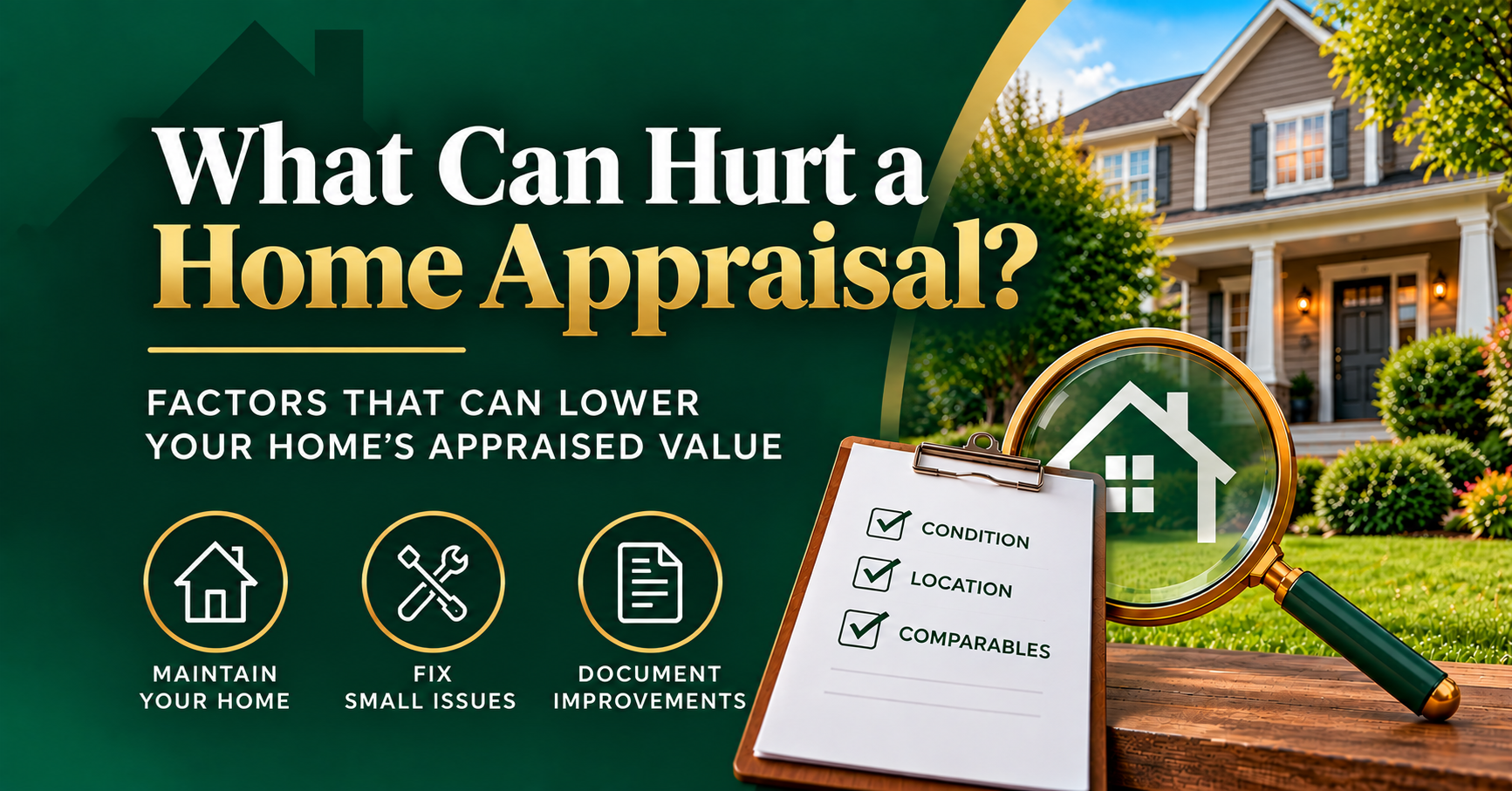 Property Condition & Appraisal
What can hurt a home appraisal?
A home appraisal can play a major role when buying, selling, or refinancing a home. The appraiser provides an independent opinion of the property's market value, which can affect how much a lender is willing to lend.
Read the guide → Loan Program tips
USDA Income Limits
USDA home loans can be an excellent option for qualified home buyers because they offer zero down payment financing, competitive rates, and relatively low mortgage insurance costs.
Read the guide → Rate Tips
What drives mortgage rates to change?
Mortgage rates can seem unpredictable. They can change from one day to the next—and sometimes even during the same day. The rate you’re quoted may also be very different from the mortgage rates you see advertised.
Read the guide → Loan Program tips
Conventional, FHA, VA, USDA Loans — How Do They Compare?
Choosing the right mortgage program can make a major difference in your down payment, monthly payment, qualifying requirements, and overall loan costs. Conventional, FHA, VA, and USDA loans each have different advantages and restrictions.
Read the guide →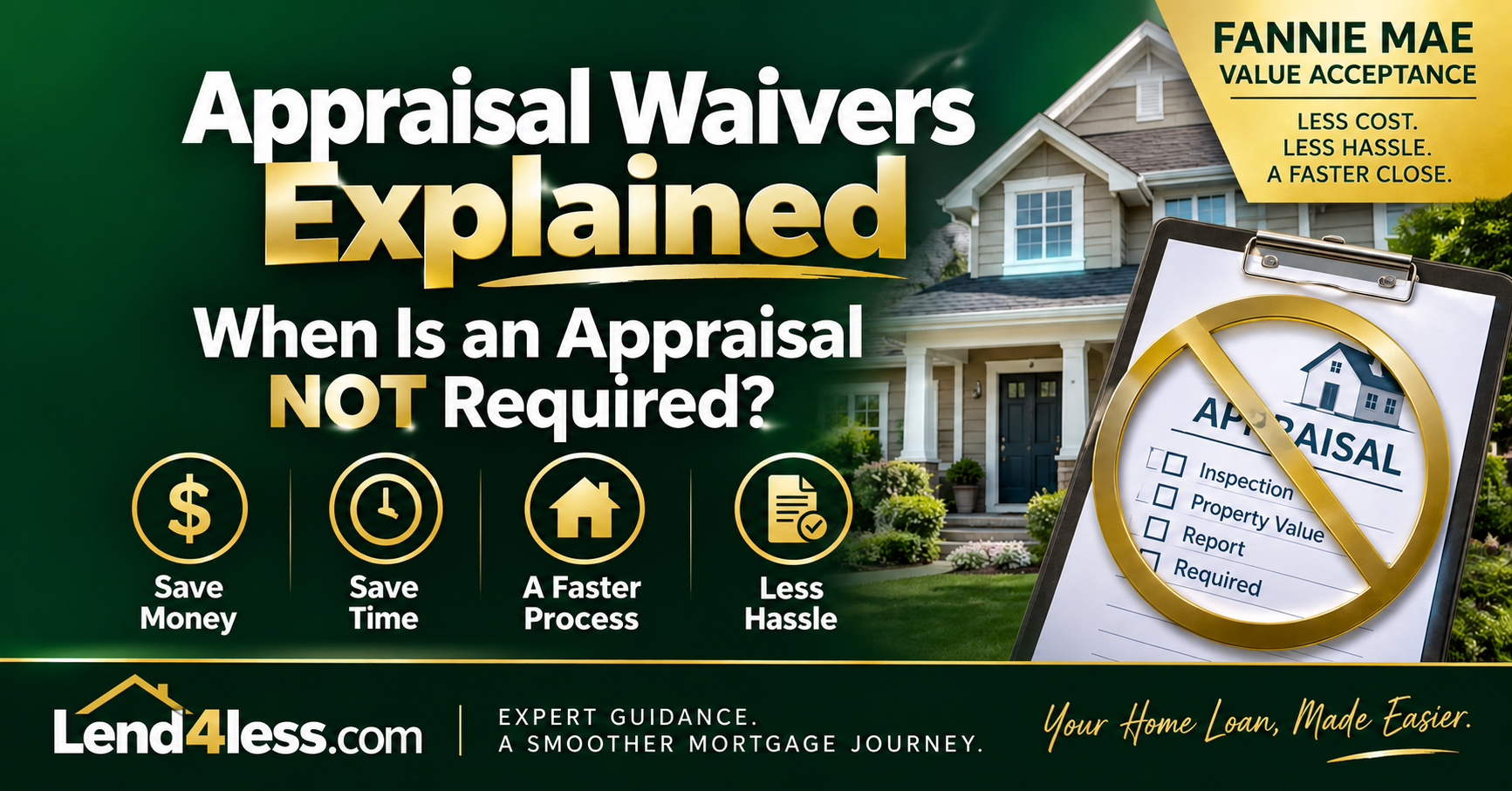 Property Condition & Appraisal
When an appraisal isn't needed
Fannie Mae’s appraisal waiver program—officially called Value Acceptance—can allow certain homebuyers and homeowners to complete a mortgage without a traditional appraisal.
Read the guide → Property Condition & Appraisal
Condo vs House
Choosing between a condo and a single-family house involves more than comparing purchase prices. Your monthly costs, maintenance responsibilities, HOA rules, privacy, financing, location and long-term plans can all affect which option makes the most sense.
Read the guide → Agent Loan Tips
Lenders, mortgage brokers and loan officers, what's the difference?
Who you choose for your home loan matters -- lenders, mortgage brokers and even loan officers are not the same
Read the guide → Refinancing Tips
How fast can I refi my home loan?
How fast can I Refinance My Home? You may be able to refinance your home after just one year — and with some loan programs, even sooner. Whether you're looking to lower your interest rate, reduce your monthly payment, eliminate mortgage insurance, or take cash out of your home's equity, the key is knowing the refinance rules for your particular loan program.
Read the guide → Agent Loan Tips
How to spot a bad pre-approval letter
A bad mortgage pre-approval letter can cost a buyer their dream home and a real estate agent weeks of wasted time. Not all pre-approval letters are created equal. Some are based on little more than a quick online questionnaire, while others involve a detailed review of the buyer's financial situation by an experienced loan officer. Knowing the difference can help agents avoid financing surprises, underwriting problems, delayed closings, and canceled transactions.
Read the guide →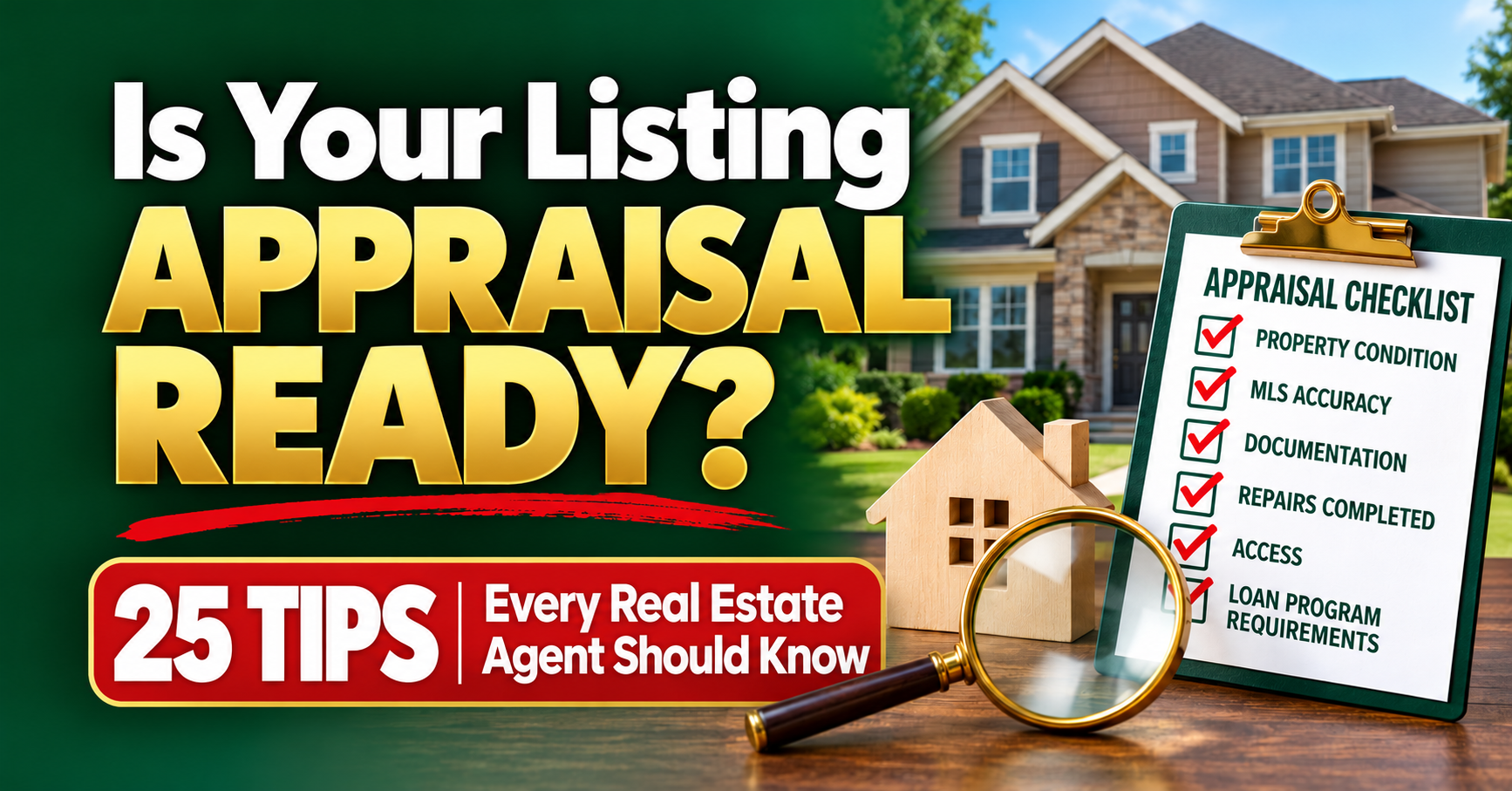 Agent Loan Tips
Is Your Listing Appraisal Ready? 25 Tips Every Real Estate Agent Should Know
Is Your Listing Appraisal Ready? 25 Tips Every Real Estate Agent Should Know A little preparation before the appraiser arrives can prevent unnecessary repairs, appraisal delays, and last-minute surprises that could jeopardize your closing.
Read the guide → Agent Loan Tips
20 Quick Home Loan Tips for Agents
20 Quick Home Loan Tips for Agents Here are some tips to help your transaction go smoother from start to finish
Read the guide →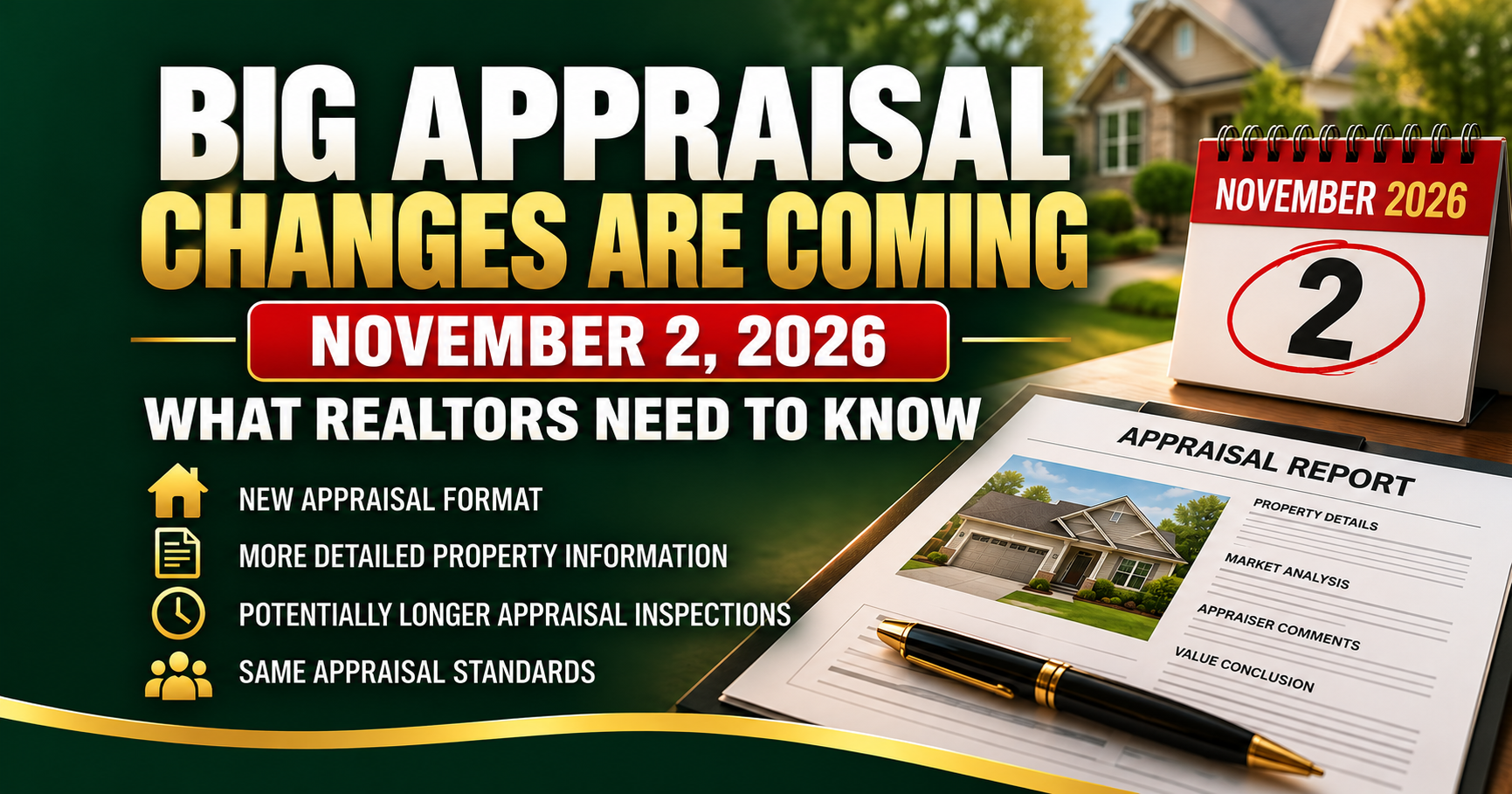 Agent Loan Tips
Big Appraisal Changes Are Coming November 2, 2026
Big Appraisal Changes Are Coming November 2, 2026 — What Realtors Need to Know. A major change is coming to conventional home appraisals, and real estate agents need to be prepared!
Read the guide → Agent Loan Tips
How Fast Can You Close a Home Loan?
Purchase home loans can close in as little as 14 days or less with the right mortgage broker! Buying a home is exciting, but waiting 30, 45, or even 60 days for your mortgage to close can be frustrating. The good news? You don't have to wait that long when you use an experienced mortgage broker.
Read the guide → Buyer funds explained
Seller Concessions- How It Works
Seller concessions—also called seller credits—can be a powerful way to reduce the amount of cash a homebuyer needs at closing. Depending on the loan program, they may help pay closing costs, prepaid expenses, or even the cost of obtaining a lower mortgage rate.
Read the guide → Loan Program tips
USDA Zero down Home Loan
USDA home loans can be one of the best financing options for qualified homebuyers because they offer 100% financing with no down payment required. They can also provide competitive interest rates, relatively low mortgage insurance costs, and flexible underwriting.
Read the guide → Agent Loan Tips
Realtor Tips: Property Improvements & Appraisal Issues
As a loan officer, one of the calls I frequently get from agents is concerning property issues like an unpermitted addition or garage conversion or it's a unique property. My answer is usually: don't assume there's a problem until we look at the entire situation. Fannie Mae and Freddie Mac guidelines provide more flexibility with certain property characteristics than many agents and borrowers realize.
Read the guide → Agent Loan Tips
It's the Loan Officer not the Lender
The ugly truth about getting a home loan? It can be a hassle. There are documents to provide, deadlines to meet, questions to answer, and potential problems that can pop up along the way. But the right loan officer can make the process much easier. The key thing to understand is no matter who the lender is--it's the (MLO) mortgage loan officer -- that makes for a smooth loan process.
Read the guide → Agent Loan Tips
VA Minimum Property Requirements — What agents Need to Know
VA Minimum Property Requirements — What Agents Need to Know. The key is understanding VA Minimum Property Requirements (MPRs) before you write the offer.
Read the guide →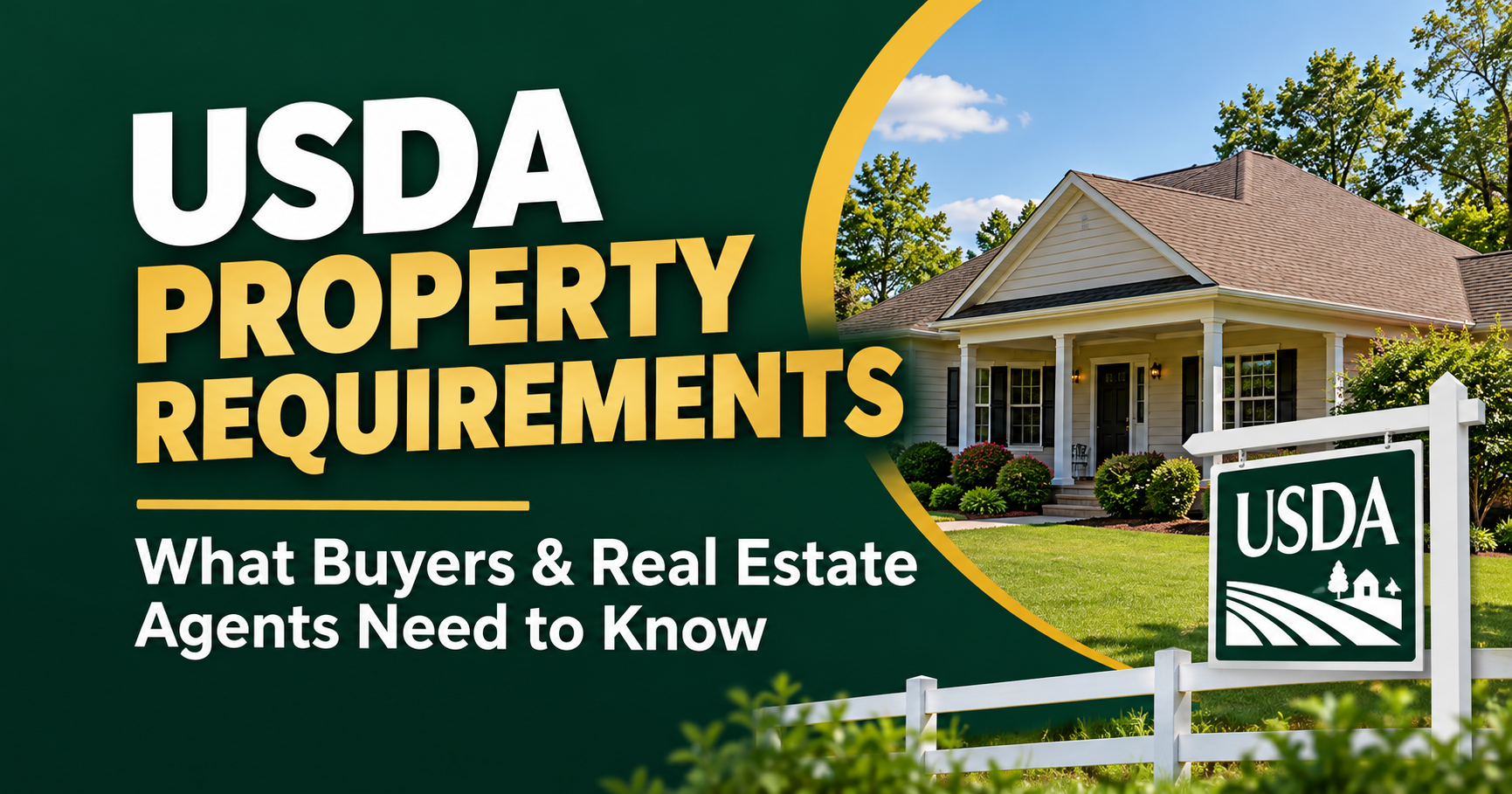 Property Condition & Appraisal
USDA Home Loan Minimum Property Requirements
USDA Property Requirements — What Buyers & Real Estate Agents Need to Know USDA home loans can be a fantastic option for qualified buyers because they offer 100% financing with no
Read the guide → Loan Qualifying
DTI, debt to income ratio explained
DTI compares your qualifying monthly debts with your gross qualifying monthly income. While the basic calculation is simple, mortgage guidelines determine exactly which debts and income can be used.
Read the guide → Monthly Payment Tips
Mortgage payment tips
Understanding your true monthly housing payment is critical when buying or refinancing a home. Your mortgage payment is more than just principal and interest. Taxes, insurance, mortgage insurance, HOA dues and other expenses can significantly affect what you actually pay each month.
Read the guide → Buyer funds explained
Closing Costs Tips
Closing costs are more complicated than your down payment. They can include lender fees, title and escrow charges, insurance, prepaid interest, taxes, impound reserves and other expenses. The important thing is knowing what you're paying, which costs can vary, and where you may be able to save money.
Read the guide → Monthly Payment Tips
PITI and what it means -mortgage payment explained
Your mortgage payment may include more than just principal and interest. Understanding the full monthly housing expense—including property taxes, homeowners insurance, mortgage insurance and HOA dues when applicable—can help you budget accurately and avoid surprises.
Read the guide → Rate Tips
Why is the loan price important?
When shopping for a mortgage, comparing interest rates alone can be misleading. Every mortgage rate comes with a cost—or sometimes a lender credit. Looking at both together gives you a much better way to compare your options.
Read the guide → Rate Tips
Why A Fed Hike or Cut doesn't change Mortgage Rates
A common misconception is that when the Federal Reserve raises or lowers interest rates, mortgage rates automatically move by the same amount. They don't.
Read the guide →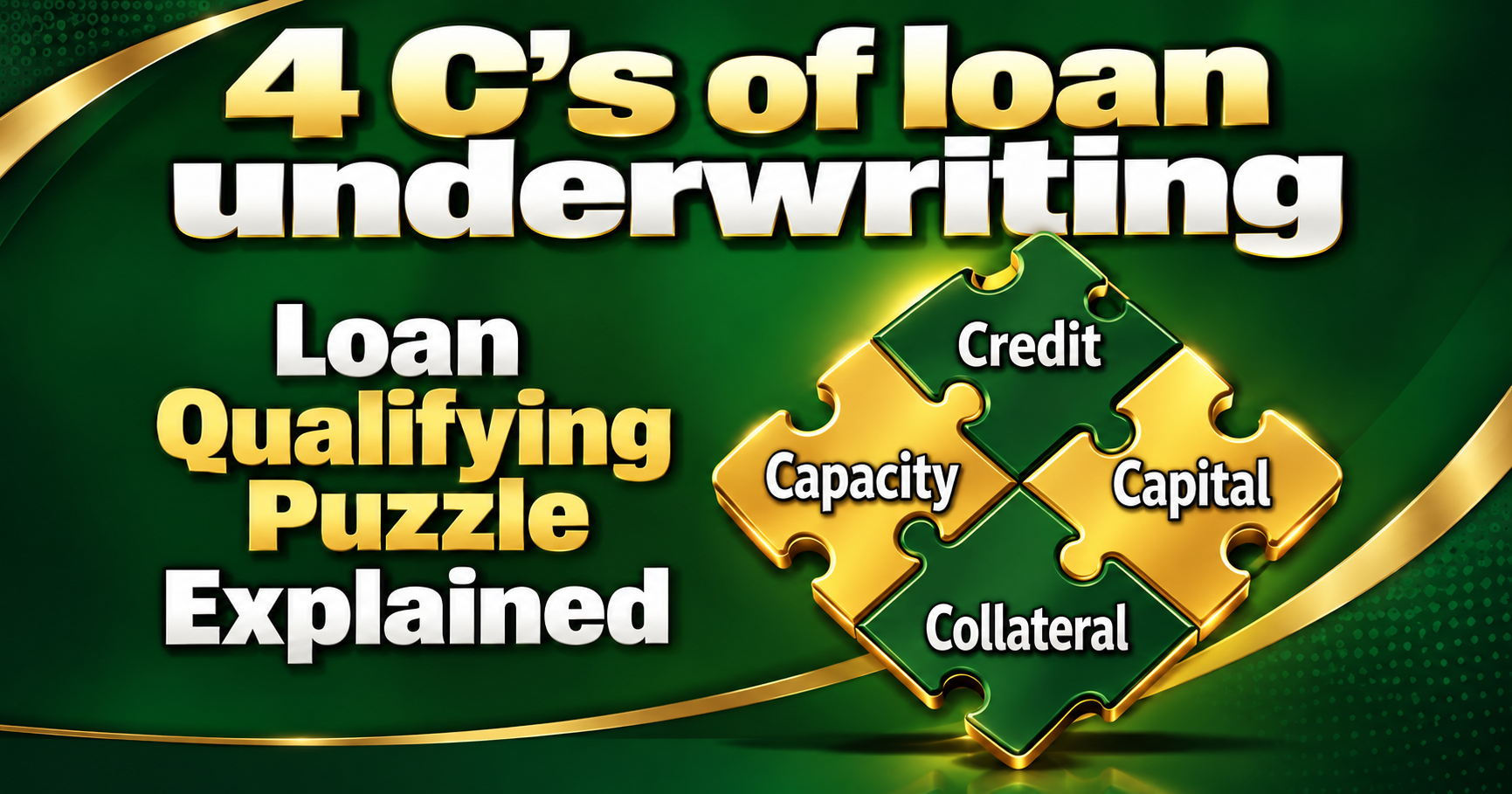 Loan Qualifying
4 C's of Loan Qualifying
Getting a mortgage approved involves much more than having a good credit score and enough money for a down payment. Mortgage underwriters evaluate four major areas when determining whether a borrower and property meet loan guidelines. These are commonly known as the 4 C’s of mortgage underwriting:
Read the guide →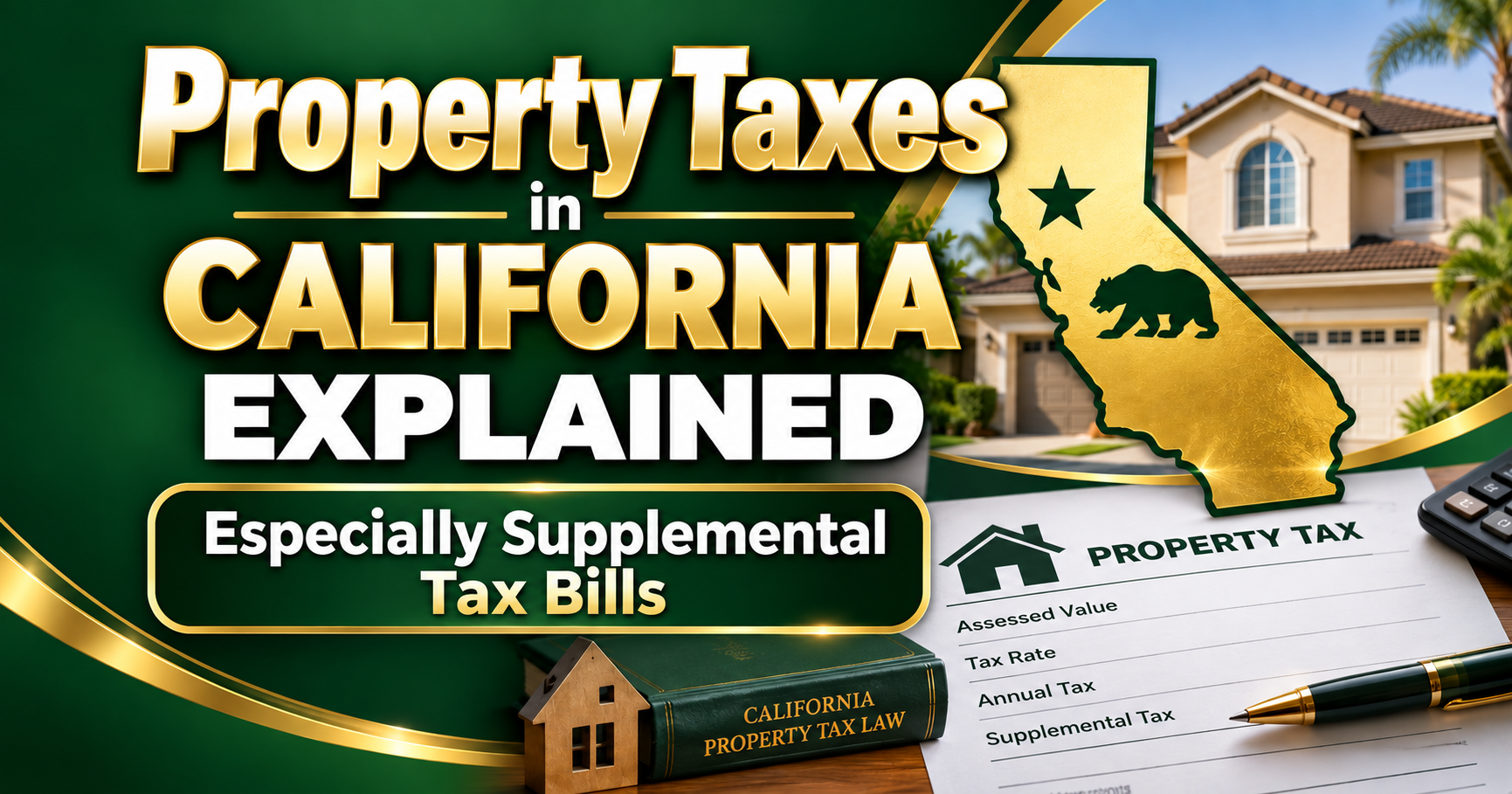 Monthly Payment Tips
Property taxes tips California
California Property Taxes Explained — Especially Supplemental Property Taxes which is a county tax assessor's way of adjusting property taxes after a property changes ownership or qualifying new construction is completed.
Read the guide → Rate Tips
Rate Lock Tips to Help You Get the Best Rate
Mortgage rates can change daily—sometimes more than once a day. Understanding when to lock your rate, when you might consider floating, and what actually determines your mortgage rate can help you make a better-informed decision.
Read the guide → Monthly Payment Tips
Seller Funded Buydowns: Everything You Need to Know
A seller-funded temporary rate buydown can lower your mortgage payment during the first few years of homeownership. It can be a valuable tool, but the lower payment is temporary, so it’s important to understand the full cost and long-term payment before deciding whether a buydown makes sense.
Read the guide → Rate Tips
Why Mortgage Brokers Beat banks & big lenders
When shopping for a mortgage, one of the biggest misconceptions is that a big bank or national mortgage company must have the lowest rates because of its size. That is often not the case.
Read the guide → Loan Qualifying
What docs are needed for your home loan?
What Documents Do You Need to Get a Home Loan? Getting a home loan requires paperwork—but there’s a reason behind almost every document your lender requests. Mortgage lenders gener
Read the guide → First Time Buyer
More tips for first time home buyers
First-Time Home Buyer Tips — What You Need to Know Before You Buy Buying your first home is exciting—but there are a lot of moving parts. The good news is that the process becomes
Read the guide →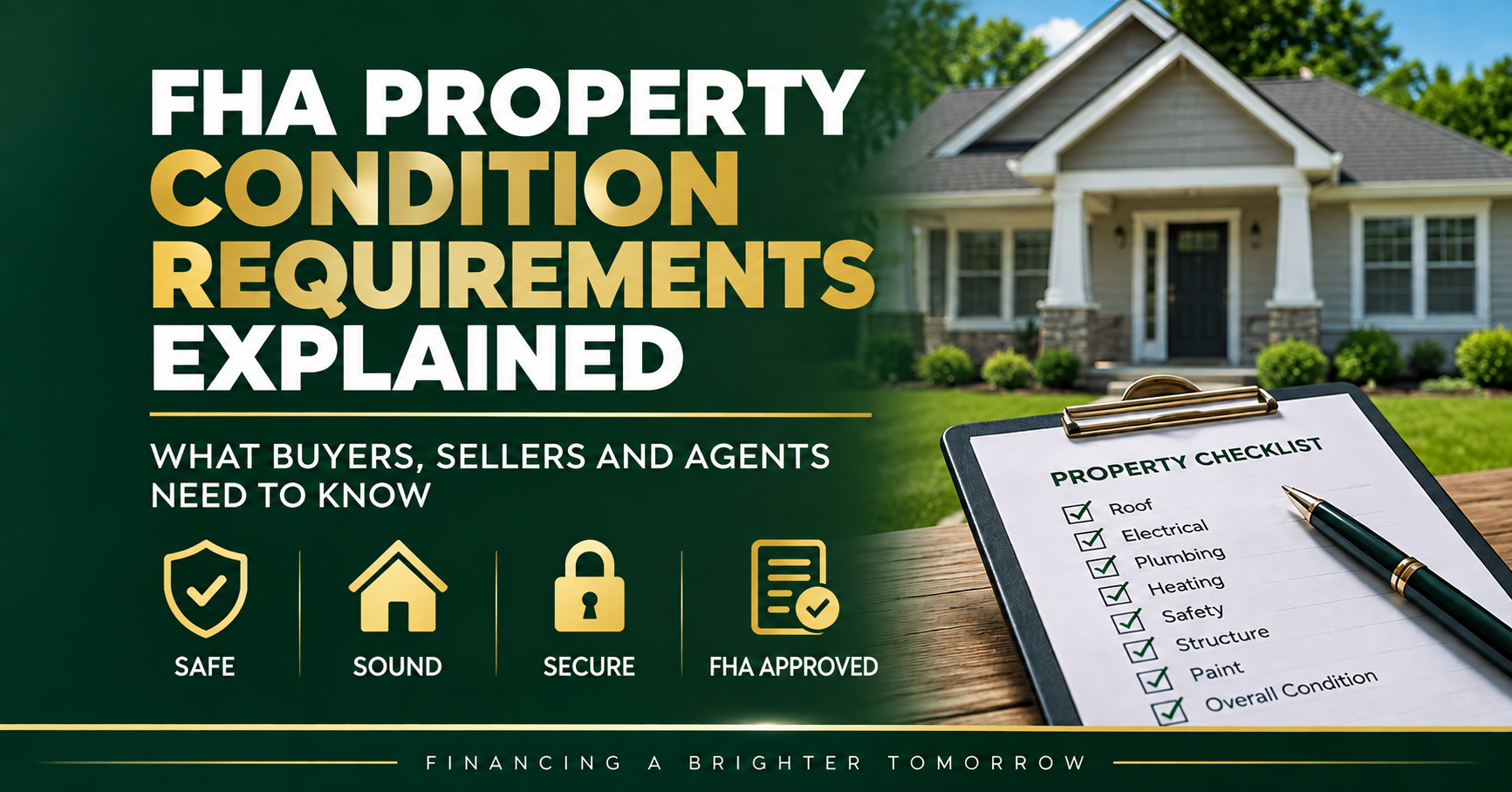 Property Condition & Appraisal
FHA Property Condition Requirements
An FHA appraisal does more than determine a home's value. The FHA-approved appraiser also looks at the property's condition to determine whether it meets FHA minimum property standards.
Read the guide →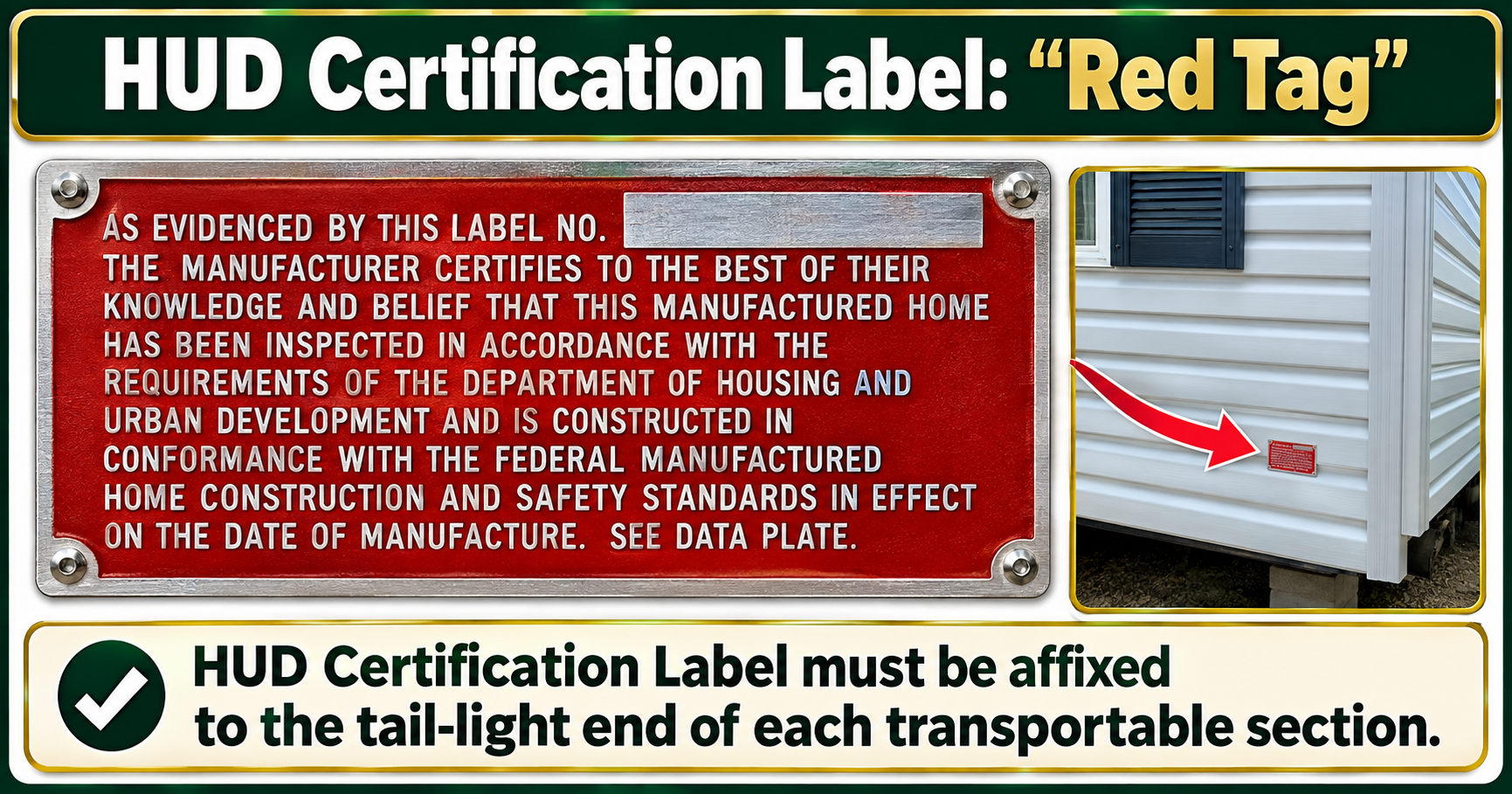 Manufactured Home Loans
Manufactured HUD Tags missing?
Buying or refinancing a manufactured home can involve a few extra requirements compared with a traditional site-built home. One common issue is discovering that the HUD certification labels—often called HUD tags or red tags—or the home’s Data Plate are missing.
Read the guide → Agent Loan Tips
Manufactured Home Red Flags
Financing a manufactured home can be more complicated than financing a traditional site-built home. Property condition, HUD documentation, foundation requirements, prior moves, land ownership and even the lender you choose can affect whether the home qualifies.
Read the guide →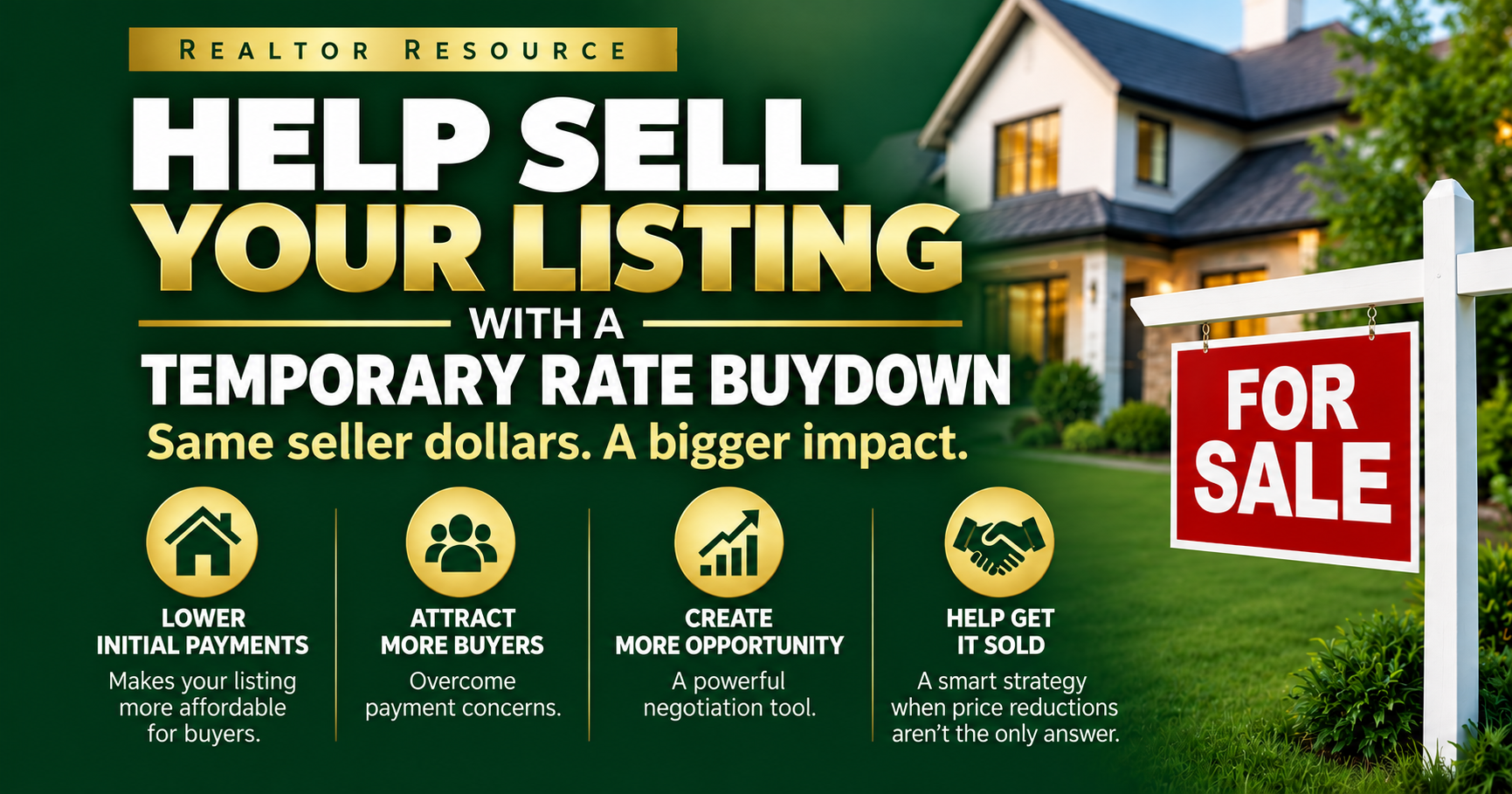 Agent Loan Tips
Temporary Rate Buydowns — A Powerful Tool to Help Sell Your Listings
When buyers are concerned about mortgage rates and monthly payments, a seller-funded temporary rate buydown can be a powerful tool for Realtors to help sell a listing. Instead of automatically recommending a price reduction, consider whether using some of that money toward a temporary rate buydown
Read the guide → Agent Loan Tips
Manufactured, Modular or Mobile Home — What's the Difference?
Factory-built homes can look very similar, but whether a property is classified as a manufactured, modular, or mobile home can make a major difference when it comes to financing.
Read the guide → Agent Loan Tips
ADUs-what agents need to know
Accessory Dwelling Units (ADUs) are becoming increasingly common, and they can add flexibility, rental potential, and value to a property. But for Realtors, an ADU can also create financing and appraisal issues that need to be identified early.
Read the guide → Agent Loan Tips
Well & Septic Systems-what agents need to know
Homes with private wells and septic systems are common, especially in rural and semi-rural areas. They typically present no financing problems, but the loan requirements can vary depending on the mortgage program & appraisal findings.
Read the guide → Agent Loan Tips
Outbuildings & Home Loans — What Realtors Need to Know
A detached garage, barn, shop, stable, shed, or other outbuilding can be a great selling feature—but it can also create a financing issue depending on the loan program, property use, and appraisal. As a realtor, the key is identifying potential problems before your buyer gets too far into the transaction.
Read the guide → Agent Loan Tips
Close more deals with an experienced mortgage broker
Getting the offer accepted is only half the battle, getting it closed is the goal. The right loan officer can help keep the deal moving, communicate clearly, solve problems and close on time. And can assist in a positive transaction experience for the buyer and even the seller!
Read the guide → Refinancing Tips
A 1% Rate Drop Can Cut Your Principal & Interest Payment About 10%
Mortgage Refinance Rule of Thumb: A 1% Rate Drop Can Cut Your Principal & Interest Payment About 10%. When mortgage rates fall, homeowners often ask the same question: “How much lower does my rate need to go before refinancing makes sense?” There is no single answer that works for everyone, but there is a simple rule of thumb that can help you quickly estimate the potential savings:
Read the guide → Refinancing Tips
When Does a Refi to a Higher Rate Make Sense?
If you have a 3% mortgage rate, refinancing into a 6% mortgage probably sounds crazy. Why would anyone voluntarily give up a 3% mortgage? In most situations, you wouldn't. But there is one situation where refinancing to a higher mortgage rate can potentially make financial sense: you have substantial home equity AND you're buried in high-interest consumer debt.
Read the guide → Refinancing Tips
Refinance — Is It Worth It?
Refi tip----for every one percent in reduction from your current rate it will reduce your current principal and interest (PI) portion of your monthly payment by about 10%, a 2% reduction will reduce your PI payment by about 20%
Read the guide → Refinancing Tips
Track your home value for free
Your home may be your biggest financial asset. But if you don't know what it's worth today—or how much equity you've built—you could be overlooking valuable financial opportunities.
Read the guide → Rate Tips
APR vs the loan Rate
Why isn't the lowest interest rate the most advantageous option? Initially, lower rates typically entail higher lender fees (points). It's important to consider a break-even point.
Read the guide → Manufactured Home Loans
Manufactured Loan Tips
Financing a manufactured home can be more complicated than financing a traditional site-built home. The key is identifying potential property issues early and working with a lender that understands manufactured-home guidelines.
Read the guide → Manufactured Home Loans
USDA Manufactured Loans
USDA loans can be an attractive way to finance a manufactured home, particularly for buyers looking for a zero-down option in an eligible rural area. Manufactured homes, however, have additional property requirements that don't apply to most site-built homes.
Read the guide → Rate Tips
Mortgage Rate Secrets: What Lenders Don’t Always Explain
Mortgage rates are not one-size-fits-all. Your rate depends on the market, your financial profile, the property, the loan program, and—just as importantly—the lender fees associated with that rate.
Read the guide → Rate Tips
Truth About Online Rate Quotes
Shopping for a mortgage online can be confusing. One lender advertises an extremely low rate, another promises low fees, and an other claims to have the “best rates.” The problem is that the advertised interest rate alone doesn’t tell you whether you’re getting a good deal.
Read the guide → Loan Program tips
VA funding fee explained
VA home loans offer some of the best financing benefits available to eligible Veterans, active-duty service members, and qualifying surviving spouses. They can provide zero-down financing, competitive mortgage rates, and no monthly mortgage insurance.
Read the guide → Property Condition & Appraisal
VA Property Condition Requirements
VA loans have Minimum Property Requirements (MPRs) designed primarily to make sure a home is safe, structurally sound, sanitary, and suitable for occupancy. A VA appraiser will typically identify visible property conditions that need to be corrected before the loan can close.
Read the guide →Disclaimer: These guides and common scenarios are based on current rules and the author's decades of experience and are intended to be informative opinion, not legal advice. Rules and guidelines change constantly and individual lenders differ in their interpretation and underwriting overlays. Always verify details with the specific lender handling your loan.
Get a straight answer today
No credit pull to start, no sales pressure, and a real quote you can compare line by line against any bank or big lender.