
Rate Tips
Rate Lock Tips to Help You Get the Best Rate
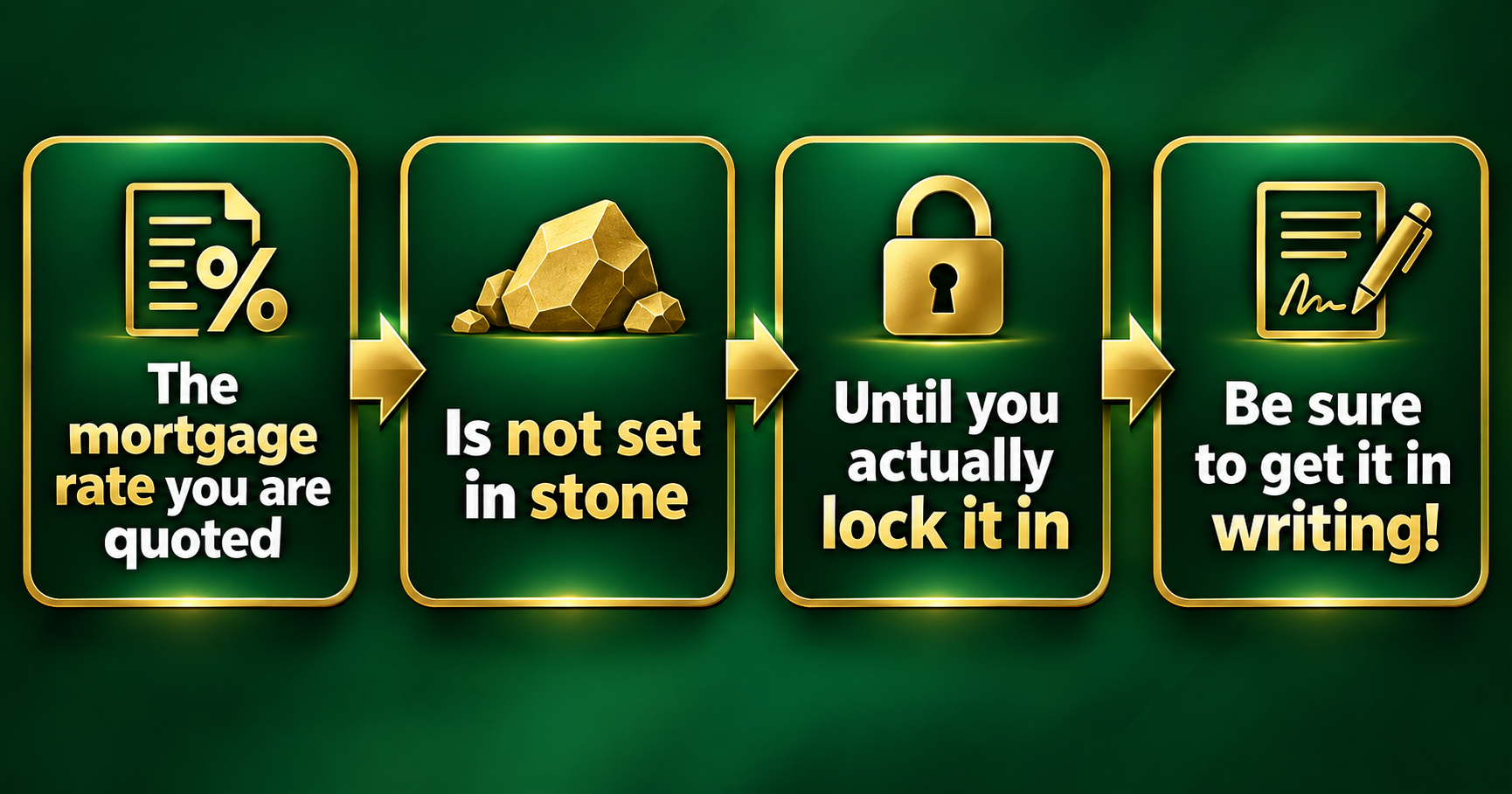
Rate Lock Tips to Help You Get the Best Rate
Mortgage rates can change daily—sometimes more than once a day. Understanding when to lock your rate, when you might consider floating, and what actually determines your mortgage rate can help you make a better-informed decision.
What to know
- A rate lock protects you if mortgage rates rise.
- Floating means your rate is not guaranteed and can move up or down.
- Your lock period needs to be long enough to get you through closing.
- For home purchases, locking earlier generally reduces your exposure to rising rates.
- A rate quote is not the same thing as a locked rate.
- Compare lender quotes at approximately the same time and on the same terms.
- Don't compare the interest rate alone—compare the rate and lender costs together.
- Your actual mortgage rate depends on your specific loan, credit and property details.
1. A rate lock protects you if mortgage rates rise
When you lock your mortgage rate, you and the lender agree to a specific interest rate for a specified period. If market rates rise during that period, your locked rate generally remains protected as long as you meet the lock terms and close before it expires.
The tradeoff is that if market rates fall after you lock, you generally don't automatically receive the lower rate. Your rate lock should always be confirmed in writing.
2. Floating means your rate is not guaranteed
Floating means you have not yet locked your mortgage rate.
If rates fall before you lock, you may benefit. But if rates rise, the rate available to you may be higher. Floating is essentially accepting market risk while waiting to see what rates do.
Your closing timeline and tolerance for rate changes should be important considerations when deciding whether to lock or float.
3. Your lock period needs to be long enough to get you through closing
Rate locks are available for specific periods, such as 15, 30, 45 or 60 days, depending on the lender.
Your loan generally needs to close before the lock expires. Longer lock periods can cost more than shorter ones, so the goal is usually to choose a lock period that provides enough time to comfortably reach closing without paying unnecessarily for additional time.
Before locking, confirm your expected closing date and how much time your lender realistically needs to complete the loan.
4. For home purchases, locking earlier generally reduces your exposure to rising rates
If you're purchasing a home and already have a signed purchase agreement with a firm closing date, waiting for a slightly better rate can create unnecessary risk.
Mortgage rates can move in either direction. Holding out for a small improvement may produce relatively modest monthly savings, while an unexpected increase in rates could cost considerably more.
Refinance borrowers may have more flexibility because they often aren't working against a contractual purchase closing date. Even then, if the available rate and loan terms accomplish your financial objective, locking can eliminate uncertainty.
5. A rate quote is not the same thing as a locked rate
An advertised, online or verbal mortgage rate quote is not necessarily the rate you'll receive.
Until your rate is actually locked with the lender, it can change with the market. Some advertised rates may also assume a particular credit score, down payment, loan amount, property type or amount of discount points.
The rate that ultimately matters is the rate and price available when you're actually eligible and ready to lock.
6. Compare lender quotes at approximately the same time and on the same terms
Mortgage rates change frequently, so comparing one lender's quote from Monday with another lender's quote from Wednesday may not tell you which lender actually has the better deal.
Try to obtain competing quotes as close together as reasonably possible.
Also make sure you're comparing the same loan program, loan amount, lock period and interest rate—or comparing the lender costs required to obtain the same rate.
Otherwise, you may be comparing apples to oranges.
7. Don't compare the interest rate alone—compare the rate and lender costs together
Mortgage rates and lender costs are directly connected.
You can generally choose a lower interest rate by paying more upfront, while choosing a higher interest rate may reduce your upfront lender costs or potentially provide a lender credit.
That means the lowest advertised interest rate isn't automatically the least expensive loan.
When shopping lenders, compare the interest rate, points, lender fees and overall loan price—not just the rate.
8. Your actual mortgage rate depends on your specific loan, credit and property details
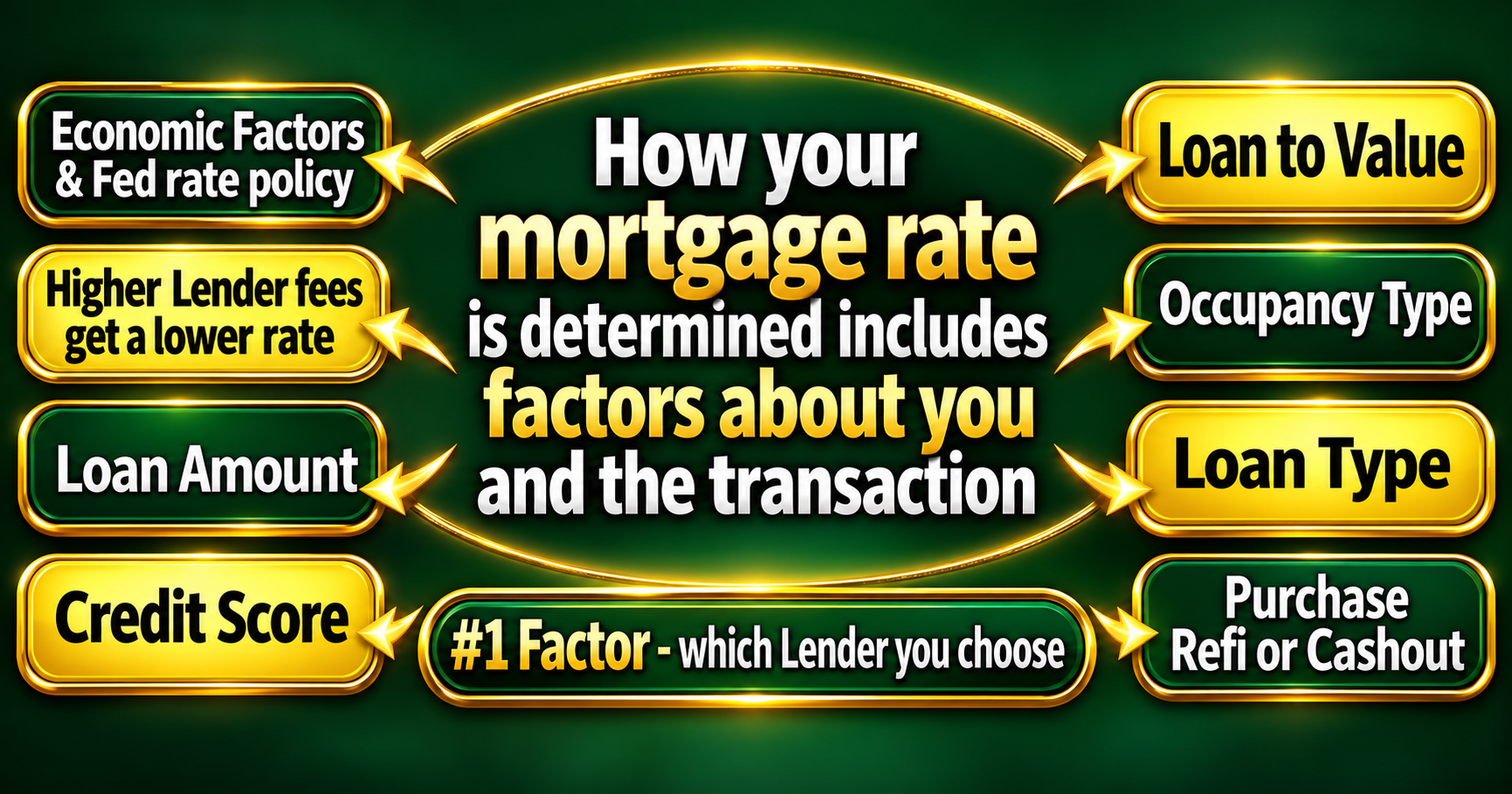
There is no single mortgage rate that applies to everyone. Your actual pricing can be affected by several factors, including:
- Loan amount and home price
- Down payment and loan-to-value ratio
- Credit score
- Loan term
- Fixed versus adjustable rate
- Conventional, FHA, VA or USDA financing
- Purchase versus refinance
- Cash-out versus rate-and-term refinance
- Primary residence, second home or investment property
- Property type, including condos and manufactured homes
Because these variables can materially affect pricing, a generic online rate quote may not accurately represent the rate and cost available for your specific situation.
Bottom line
Mortgage rates move constantly, so trying to perfectly time the market can be difficult.
If you're purchasing a home, protecting your closing and monthly payment may be more important than gambling on a small rate improvement. If you're refinancing, you may have more flexibility to watch the market, but there is still no guarantee rates will improve.
Most importantly, don't shop based on the interest rate alone. Compare the complete loan price—including the rate, points and lender fees—and make sure you're comparing quotes from the same time period and with similar lock terms.
- #rate shopping
More Rate Tips guides
Disclaimer: Informative opinion based on decades of experience, not legal advice. Guidelines change and lenders differ in their interpretation and overlays — verify details with the lender handling your loan.