
Learning center
Buyer funds explained
Down payment and closing costs needed are often confusing and poorly explained by many loan officers. Use these tips to understand funds needed from you based on each loan program
Overview
Knowing the down payment needed on a home purchase is the easy part. Closing costs are a different story! What's common for closing costs in urban areas is not in a rural location. A loan officer having the experience & knowledge of the property location & type is vital in accurately estimating closing costs. Unfortunately many lenders do a poor job of detailing the amount needed, leaving you confused and even scrambling at closing. Use these articles to guide you.
Who this is for: Home buyers and homeowners looking to refi
What you'll learn
- •Knowing the amount of downpayment is easy, closing costs needed can be confusing
- •Minimum down payment ranges from zero to 3.5% depending on the loan program
- •Buyer closing costs typically range from 3% to as much as 5% of the sales price - and can in most cases, be paid by the seller
2 guides in this topic
 Buyer funds explained
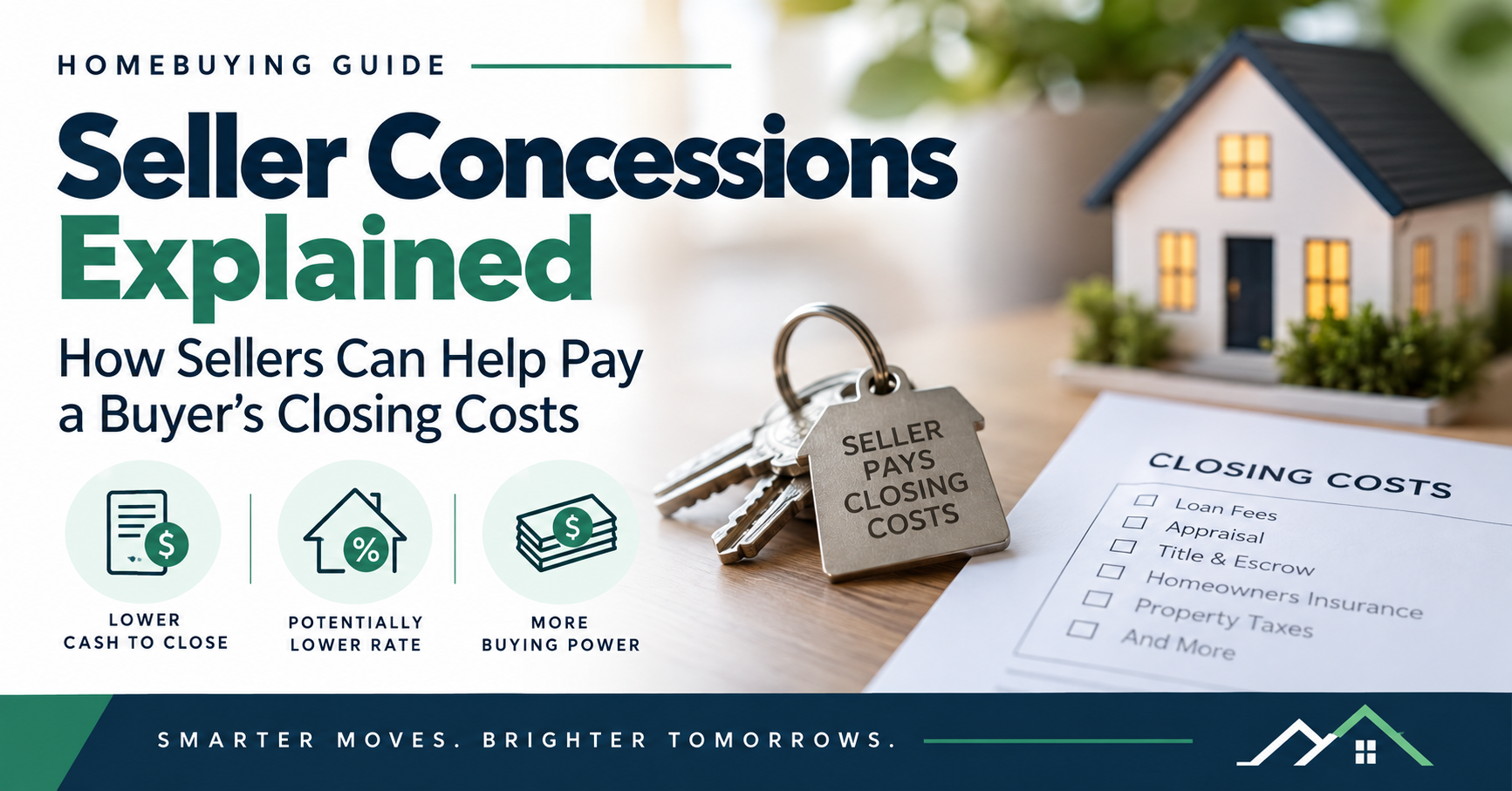
How Sellers Can Help Pay Closing Costs for a Buyer
Seller concessions—also called seller credits—can be a powerful way to reduce the amount of cash a homebuyer needs at closing. Depending on the loan program, they may help pay closing costs, prepaid expenses, or even the cost of obtaining a lower mortgage rate.
Read the guide →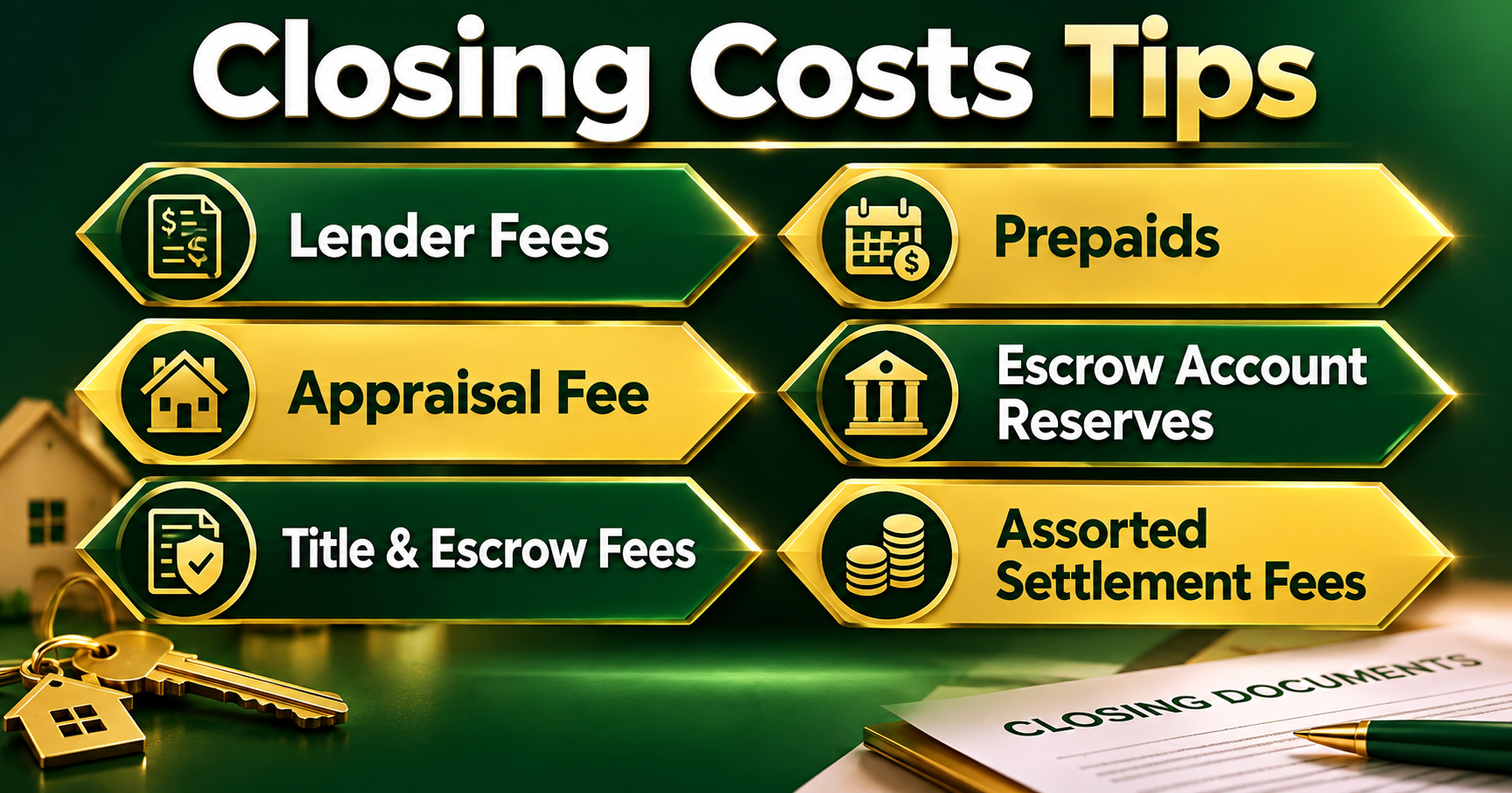 Buyer funds explained
Closing Costs Tips
Closing costs are more complicated than your down payment. They can include lender fees, title and escrow charges, insurance, prepaid interest, taxes, impound reserves and other expenses. The important thing is knowing what you're paying, which costs can vary, and where you may be able to save money.
Read the guide →Get a straight answer today
No credit pull to start, no sales pressure, and a real quote you can compare line by line against any bank or big lender.