
Learning center
Property Condition & Appraisal
Minimum property requirements (MPR) explained
Overview
Understanding property condition for each loan type. Sales contract might say As-Is, but that means nothing to an appraiser or lender. The condition of the property and any health & safety issues present will determine the steps necessary to satisfy and lender property requirements. And how the appraisal not only determines value but also the possible need for further inspections and/or repairs.
Who this is for: Buyers, Sellers, Agents
What you'll learn
- •An as-is clause in the listing or sales agreement means nothing to a lender
- •The appraisal and the sales agreement provisions typically dictate what inspections/clearances a lender will require
- •Government loans and minimum property requirements
- •What loan programs require well and septic clearances and when?
6 guides in this topic
 Property Condition & Appraisal
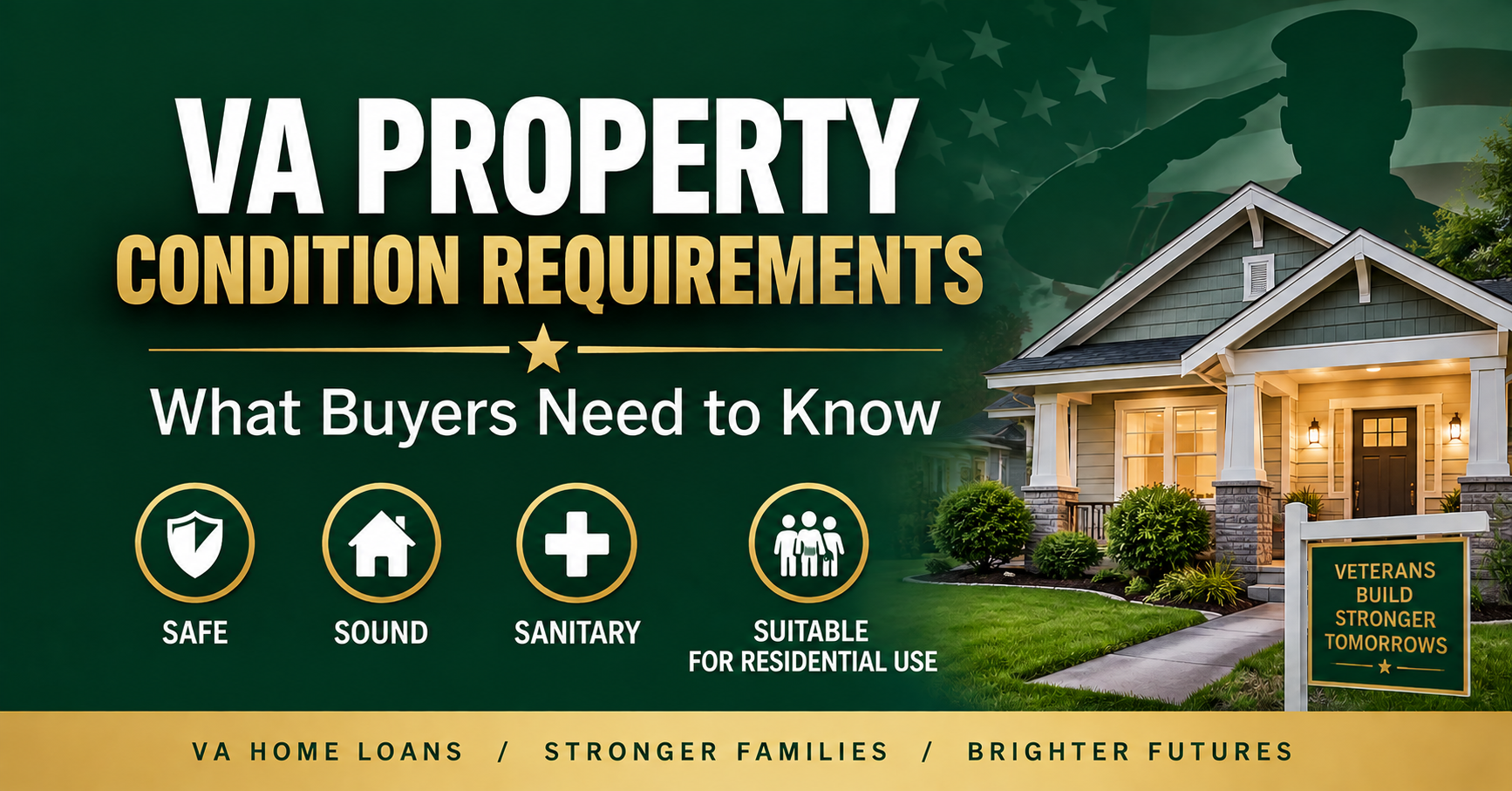
VA Property Condition Requirements
VA loans have Minimum Property Requirements (MPRs) designed primarily to make sure a home is safe, structurally sound, sanitary, and suitable for occupancy. A VA appraiser will typically identify visible property conditions that need to be corrected before the loan can close.
Read the guide →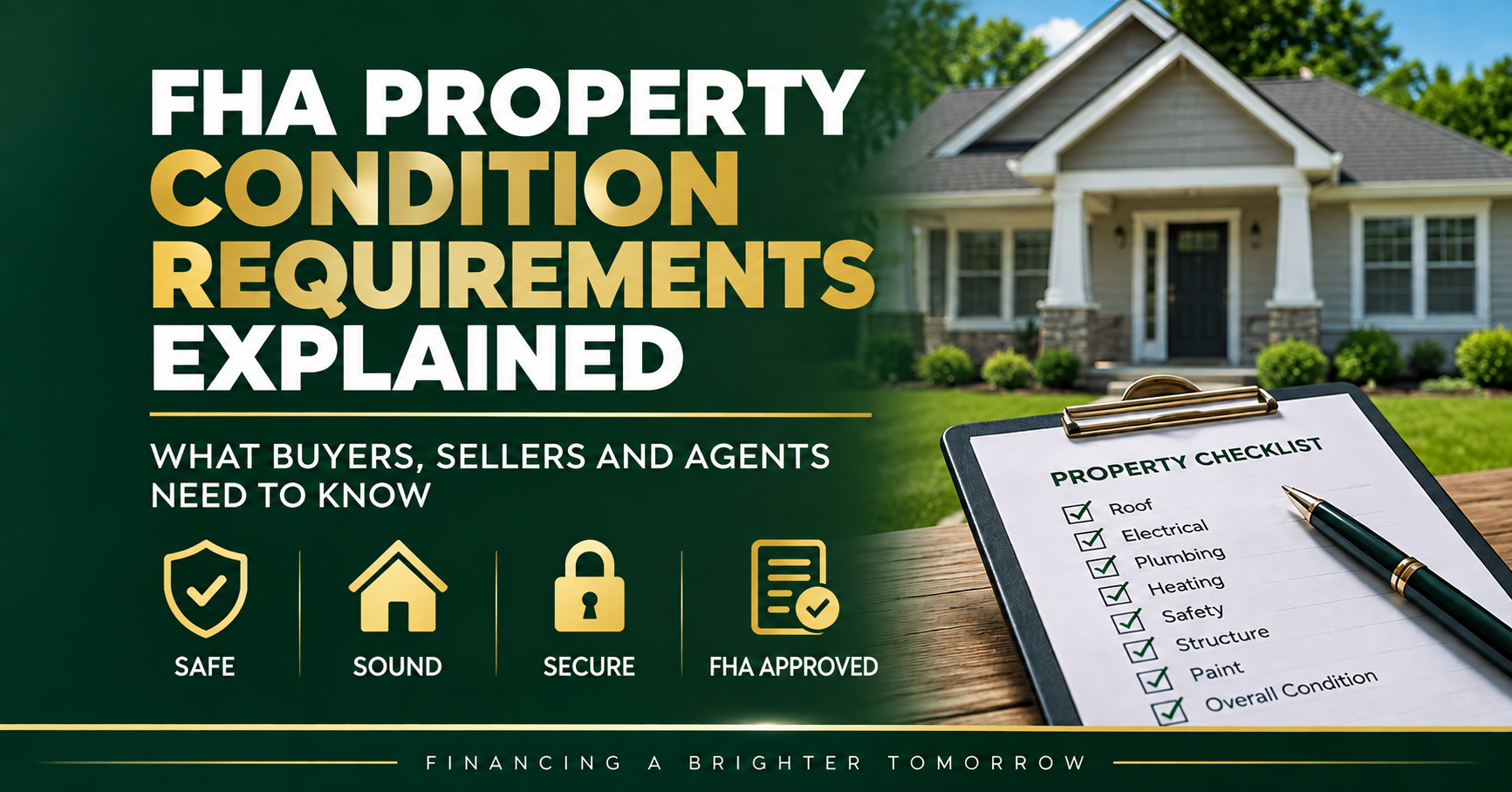 Property Condition & Appraisal
FHA Property Condition Requirements
An FHA appraisal does more than determine a home's value. The FHA-approved appraiser also looks at the property's condition to determine whether it meets FHA minimum property standards.
Read the guide →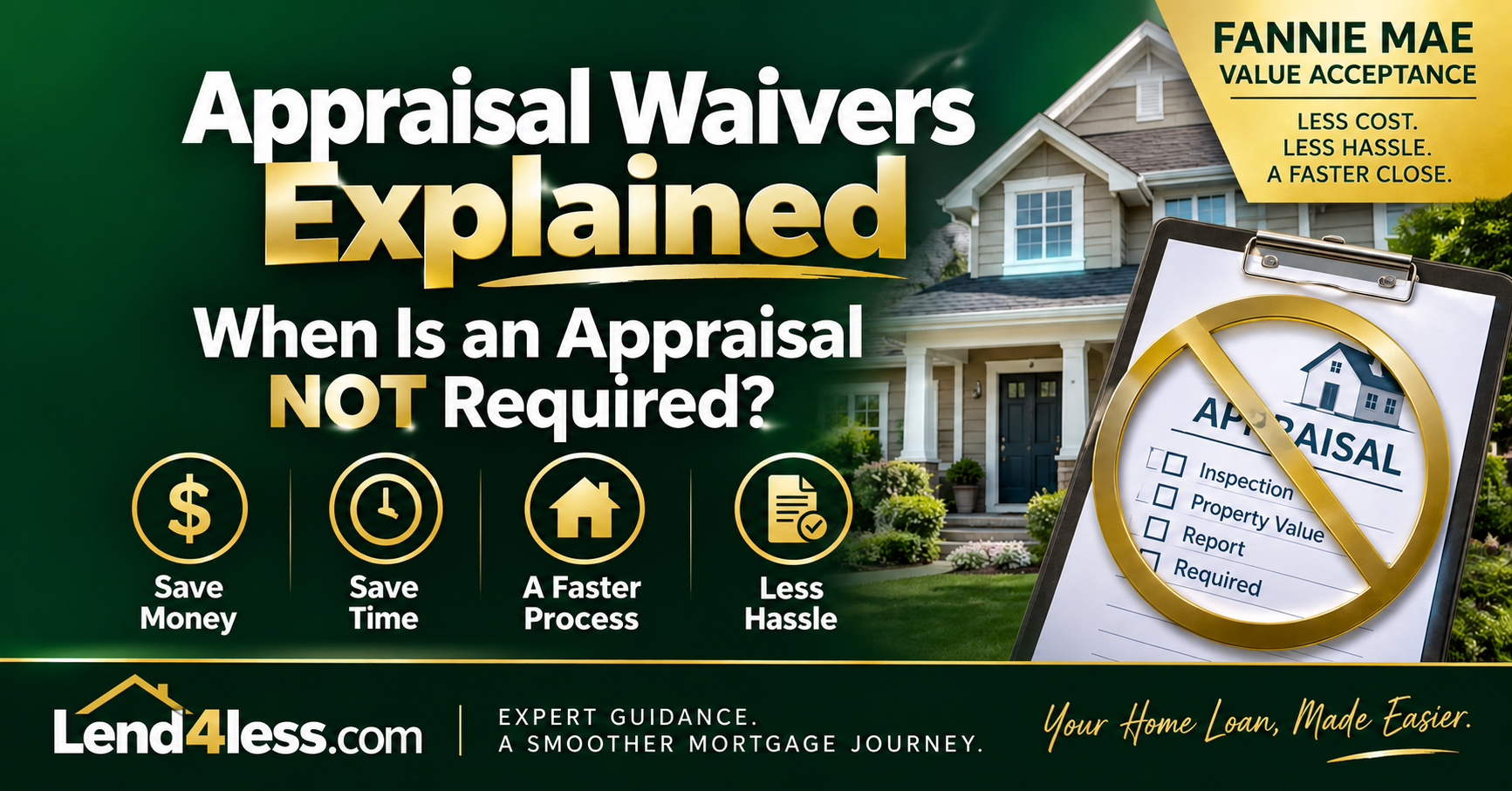 Property Condition & Appraisal
When an appraisal isn't needed
Fannie Mae’s appraisal waiver program—officially called Value Acceptance—can allow certain homebuyers and homeowners to complete a mortgage without a traditional appraisal.
Read the guide →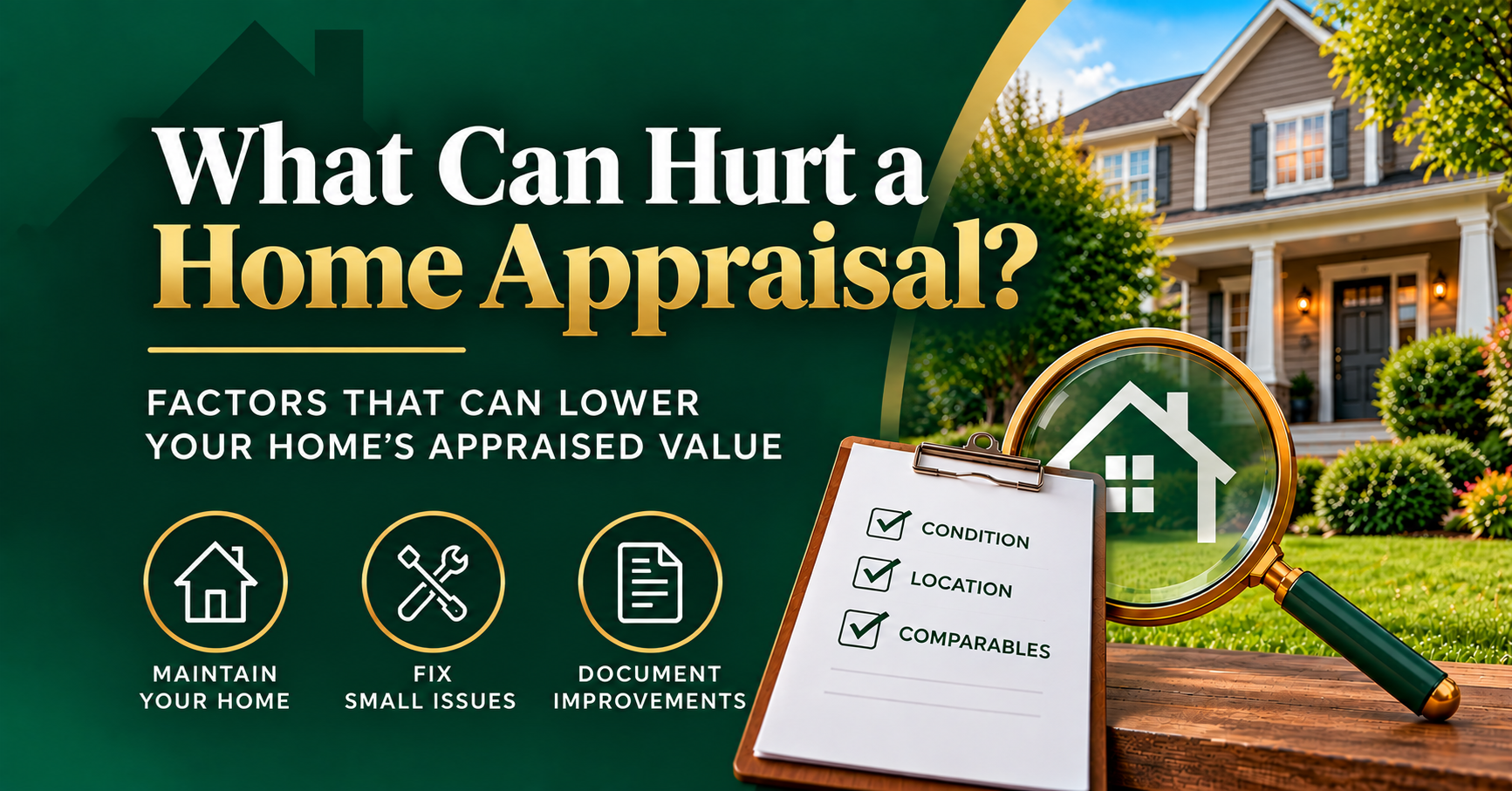 Property Condition & Appraisal
What can hurt a home appraisal?
A home appraisal can play a major role when buying, selling, or refinancing a home. The appraiser provides an independent opinion of the property's market value, which can affect how much a lender is willing to lend.
Read the guide → Property Condition & Appraisal
Condo vs House
Choosing between a condo and a single-family house involves more than comparing purchase prices. Your monthly costs, maintenance responsibilities, HOA rules, privacy, financing, location and long-term plans can all affect which option makes the most sense.
Read the guide →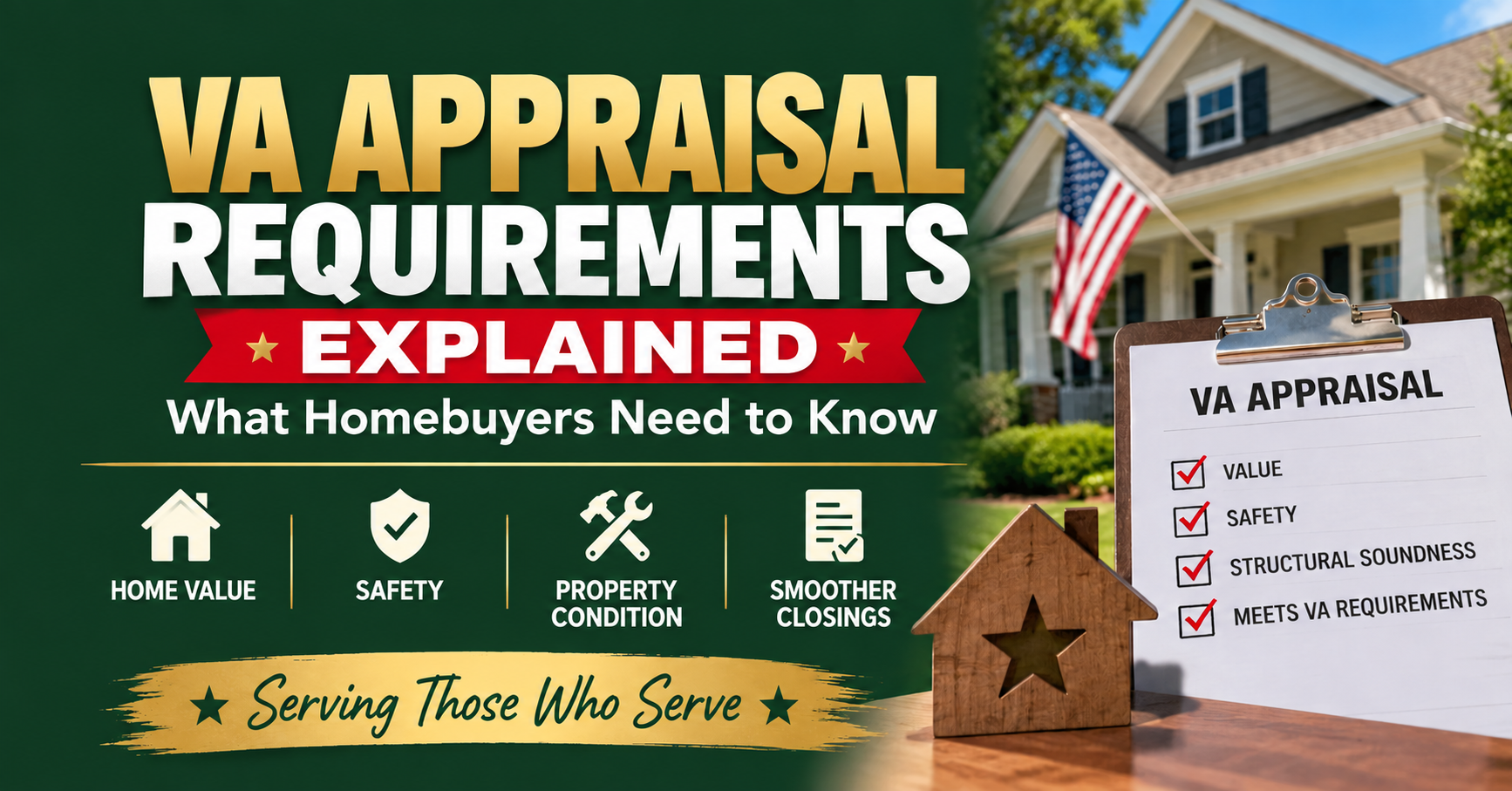 Property Condition & Appraisal
VA appraisal tips
If you’re buying a home with a VA loan, the VA appraisal is an important step in the process. It establishes the home's value and checks whether the property meets basic VA standards for safety, soundness and sanitation.
Read the guide →Get a straight answer today
No credit pull to start, no sales pressure, and a real quote you can compare line by line against any bank or big lender.