← Learning Center

Manufactured Home

Manufactured, Modular or Mobile Home — What's the Difference?
manu tips.png

Manufactured, Modular or Mobile Home — What’s the Difference?

If a home was built in a factory, that does not automatically mean it is a manufactured home.

Manufactured homes, modular homes and older mobile homes may look similar, but there are important differences in how they are built, identified—and most importantly, how lenders treat them when financing the property.

Knowing which type of home you are dealing with early in the process can save a lot of time and prevent financing surprises later.

What Is a Manufactured Home?

A manufactured home is built in a factory and transported to the property where it will be permanently installed.

You may hear manufactured homes referred to as:

  • Double-wides
  • Triple-wides
  • Mobile homes
  • Factory-built homes
  • Trailers

However, these terms are often used loosely. From a mortgage lending standpoint, the home's actual construction and certification are what matter.

Manufactured homes are typically constructed in one, two or three sections. A double-wide, for example, consists of two separate sections that are transported to the property and joined together during installation.

Each section is normally constructed on a permanent steel I-beam frame with axles, wheels and a towing assembly used to transport it from the factory.

After the home reaches the property, the towing equipment and wheels & axles are normally removed as part of the permanent installation.

The 1976 HUD Code Is Important

One of the most important dates when identifying a manufactured home is June 15, 1976.

Manufactured homes built on or after that date are constructed under the federal Manufactured Home Construction and Safety Standards administered by the U.S. Department of Housing and Urban Development—commonly called the HUD Code.

This federal construction standard is one of the major differences between a manufactured home and an older mobile home.  For mortgage financing, determining the home's manufacture date and HUD certification can be critical.

How Can You Identify a Manufactured Home?

There are several important identifiers that can help establish that a property is a HUD-code manufactured home.

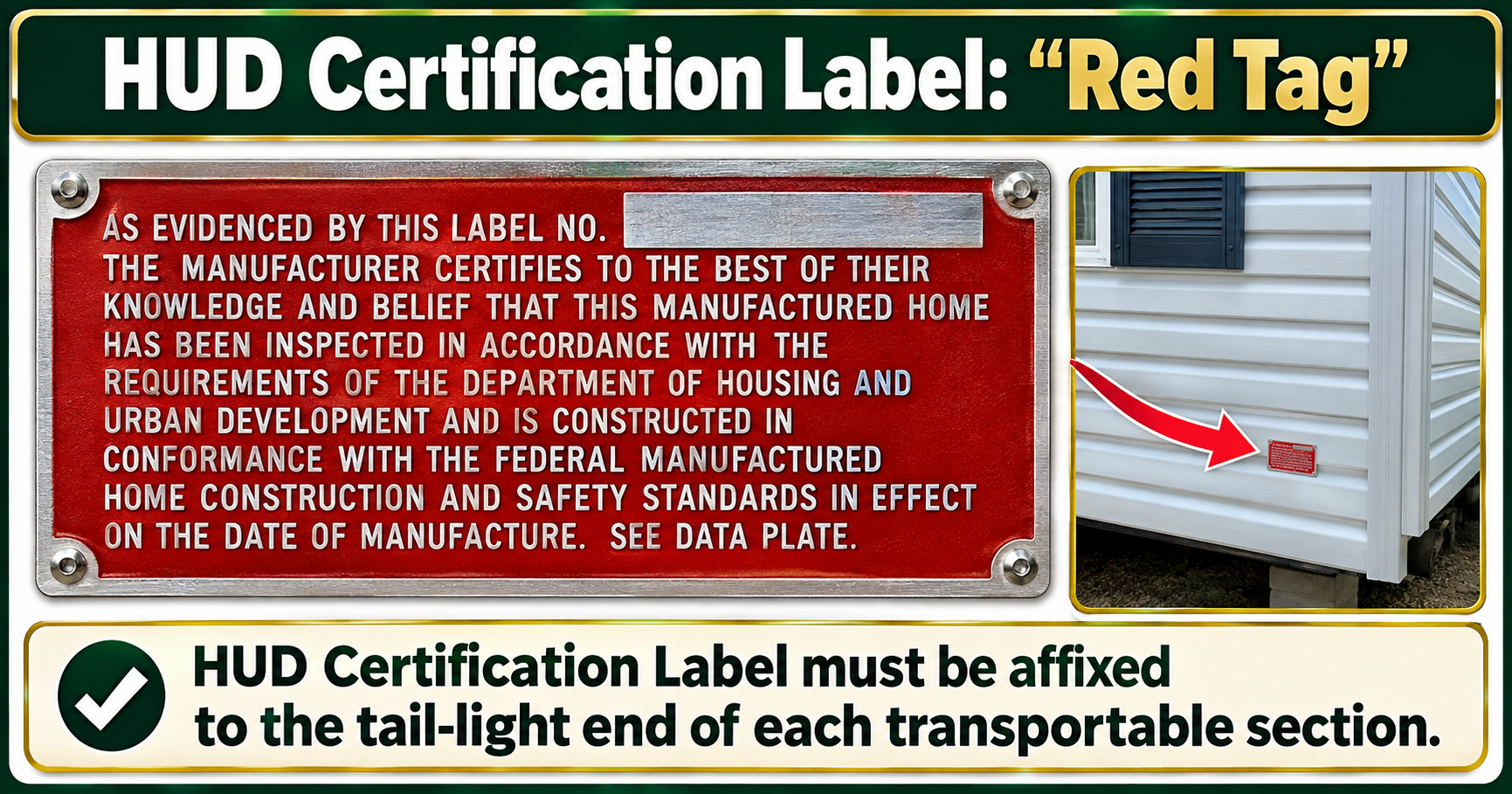
1. HUD Certification Labels — “HUD Tags”

tag location manu.png

Each transportable section of a manufactured home should originally have had a metal HUD certification label installed on the exterior at the factory.

These are frequently called:

  • HUD tags
  • HUD labels
  • Red tags

The label contains an identifying certification number.

A double-wide should normally have two HUD labels—one for each section. A triple-wide would normally have three.

Because these labels are exposed to the weather, older labels can become faded, painted over, damaged or even removed.

A missing HUD tag does not necessarily mean the home cannot be financed, but additional documentation may be required.

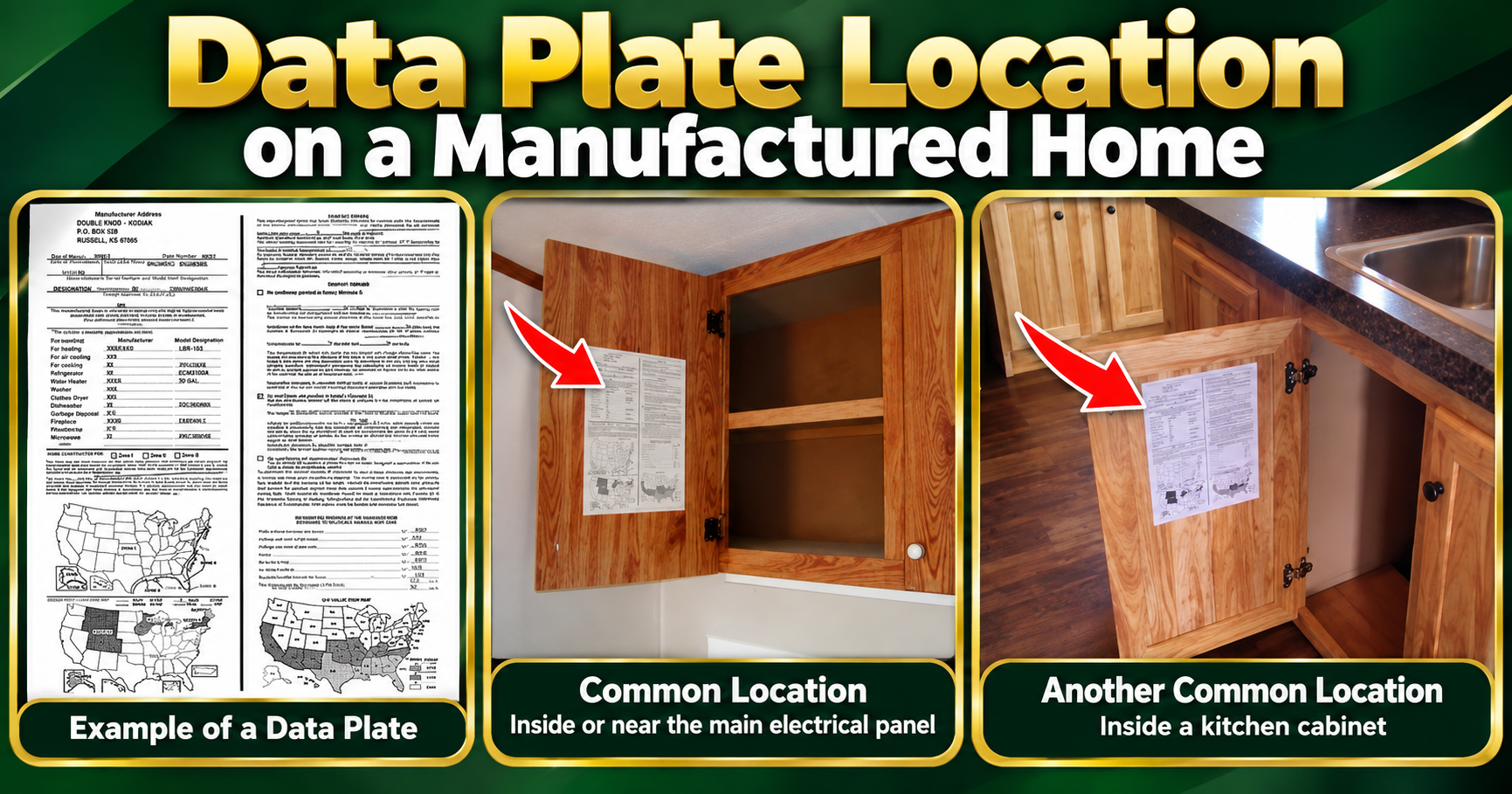
2. HUD Data Plate

data plate location.png

A manufactured home should also have a HUD Data Plate or compliance certificate located somewhere inside the home.

Despite the name, the Data Plate is generally a paper document rather than a metal plate.

Common locations include:

  • Inside a kitchen cabinet
  • Under the kitchen sink
  • Inside a bedroom closet
  • Near the electrical panel
  • Inside a utility or laundry area

The Data Plate contains important information about the home, which may include the manufacturer, date of manufacture, serial and label information, and construction/design specifications.

3. Serial Number Stamped on the Frame

serial number stamped manu.png

Another important identifier is the home's serial number.

The serial number is typically stamped directly into the steel frame of each manufactured-home section.  Depending on the home, it may be found on the front crossmember, hitch area or another portion of the steel undercarriage.

These numbers can become difficult to locate after decades of paint, rust, skirting and other modifications, but they can be extremely important when other identification information is missing.

What If the HUD Tags or Data Plate Are Missing?

Don't automatically assume the home cannot be financed.

HUD labels and Data Plates can disappear over the years because of remodeling, painting, weather exposure or previous owners removing them.  In some situations, the home's certification information can be researched and verified through the Institute for Building Technology and Safety (IBTS).

The key is identifying the problem before getting too far into the loan process.

Manufactured-home financing has additional property requirements, and an experienced loan officer should review these issues early rather than discovering them shortly before closing.

IBTS letter look like.png

What Is a Modular Home?

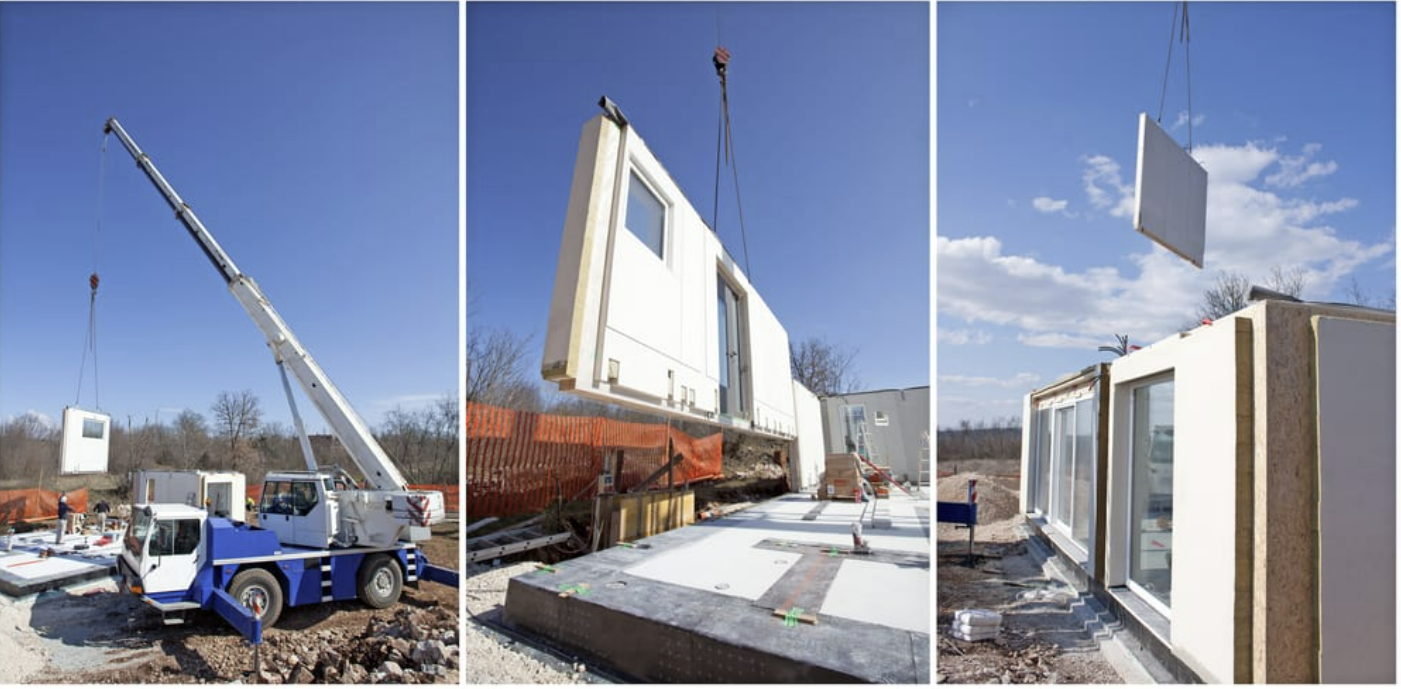
modular.png

A modular home is also built in a factory, but it is not the same thing as a HUD-code manufactured home.

Modular homes are generally built using construction standards similar to site-built homes and must comply with applicable state and local building codes.

The home is constructed in sections at a factory, loaded onto a truck and transported to the building site. The sections are then placed on the foundation—often using a crane—and permanently connected together.

Once completed, a modular home can look virtually identical to a traditionally constructed home.  From a mortgage standpoint, this distinction is important because modular homes are generally treated much like site-built homes, rather than being subject to the special manufactured-home lending requirements.

On-Frame vs. Off-Frame Modular Homes

Here's where identifying the property can become more complicated.

Not every modular home is constructed the same way.

An off-frame modular home is removed from the transportation frame and permanently installed on its foundation.

An on-frame modular home may retain a steel frame that can look similar to the undercarriage of a manufactured home.

Because of this, simply seeing steel beams underneath a house does not always prove that it is a manufactured home.

When there is uncertainty, additional documentation may be needed to establish exactly how the home was constructed and which building code applied.

What Is a Mobile Home?

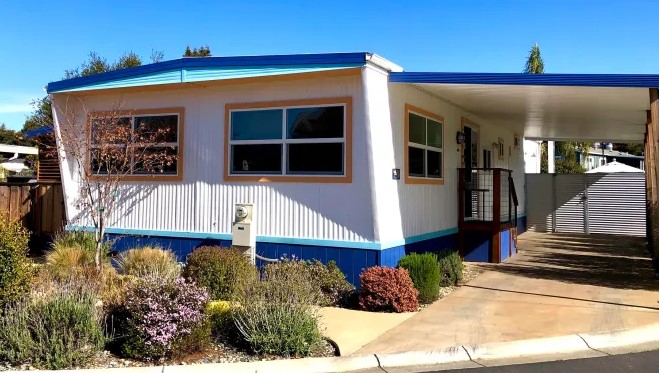
mobile home.jpg

Technically, the term mobile home generally refers to a factory-built home constructed before June 15, 1976, before the federal HUD manufactured-home construction standards took effect.

That distinction can create a major financing issue.

Older mobile homes typically do not have the HUD certification labels and Data Plate required of HUD-code manufactured homes.

They may also have characteristics such as:

  • Very low roof pitch
  • Small or nonexistent roof overhangs
  • Older wood-panel interiors
  • Flat or nearly flat interior ceilings
  • Older chassis and installation systems

Traditional mortgage financing for these properties can be extremely difficult or unavailable.

Specialty financing may sometimes exist, but it can involve higher rates, larger down payments, additional fees or different qualification requirements.

As a result, some older pre-HUD mobile homes are purchased with cash or financed through alternative arrangements.

Why This Matters Before You Make an Offer

If you are considering purchasing a factory-built home, identify exactly what type of property it is before assuming it will qualify for conventional, FHA, VA or USDA financing.

A property listing that calls a home “modular” does not necessarily prove that it is modular.

Likewise, calling a property a “mobile home” does not necessarily mean it is a pre-1976 mobile home. Many people still casually use that term when referring to modern manufactured homes.

The actual construction, certification, installation and property documentation determine how the lender will treat it.

Manufactured Home Financing Can Be More Complicated

Financing a manufactured home can involve additional requirements that don't normally apply to a traditional site-built house.

Depending on the loan program and property, the lender may need to verify items such as:

  • Manufacture date
  • HUD certification
  • HUD label numbers
  • Serial numbers
  • Permanent foundation
  • Proper installation
  • Additions or structural modifications
  • Real-property classification
  • Appraisal requirements
  • Property eligibility under the selected loan program

That doesn't mean manufactured homes are necessarily difficult to finance.  It means you want someone who understands manufactured-home lending and the importance of reviewing the property early in the transaction.

Not Sure What Type of Home It Is?

If you're buying or refinancing a property and aren't sure whether it's manufactured, modular or an older mobile home, find out before you get too far into the loan process.

A little investigation upfront can prevent appraisal problems, underwriting delays and last-minute financing surprises.

Have questions about financing a manufactured home?

I can review the property information and help determine what you're dealing with, what loan programs may work and what documentation may be needed.

No sales pressure—just straightforward answers from an experienced mortgage broker.

Loan guidelines vary by program and lender and are subject to change. Property eligibility and financing requirements should always be verified for the specific transaction.

  • #Manufactured Homes

Disclaimer: Informative opinion based on decades of experience, not legal advice. Guidelines change and lenders differ in their interpretation and overlays — verify details with the lender handling your loan.

Get a straight answer today

No credit pull to start, no sales pressure, and a real quote you can compare line by line against any bank or big lender.