
Rate Tips
Why A Fed Hike or Cut doesn't change Mortgage Rates
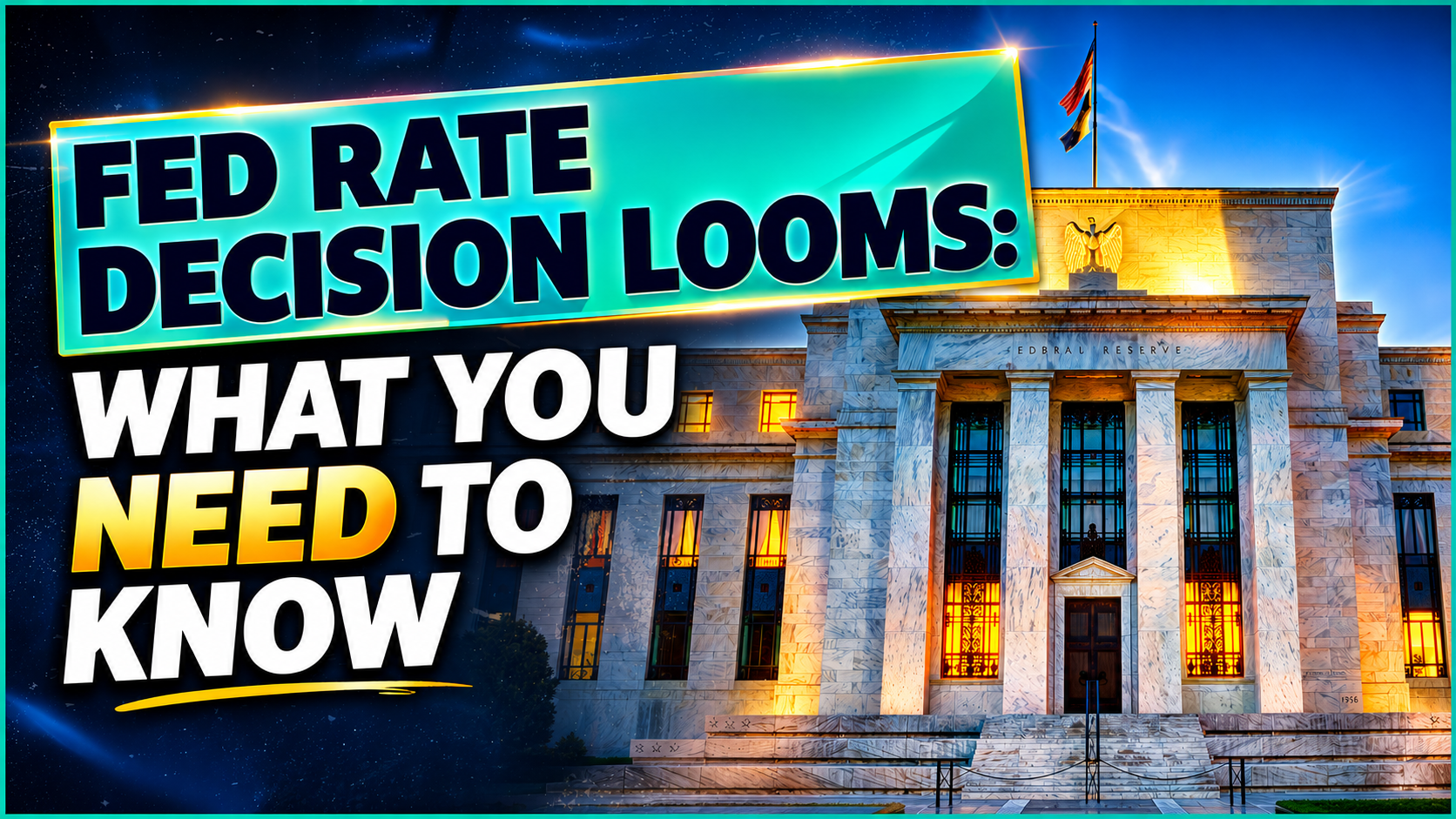
Why A Fed Hike or Cut Doesn't change Mortgage Rates
What to know
- The Federal Reserve does not directly set mortgage rates.
- The Fed Funds Rate is a very short-term interest rate.
- Mortgage rates are primarily driven by the bond and mortgage-backed securities markets.
- Markets often anticipate Fed moves before they happen.
- Mortgage rates can actually move in the opposite direction of a Fed rate change.
- What the Fed says about future policy can matter more than the actual rate hike or cut.
1. The Federal Reserve does not directly set mortgage rates
A common misconception is that when the Federal Reserve raises or lowers interest rates, mortgage rates automatically move by the same amount.
They don't.
The Fed influences mortgage rates, but it does not directly set them. Mortgage rates are determined by financial markets and are affected by several economic factors.
2. The Fed Funds Rate is a very short-term interest rate
When you hear that "the Fed raised rates" or "the Fed cut rates," it usually refers to the Federal Funds Rate.
The Federal Funds Rate is the target rate for very short-term lending between banks, generally overnight.
Mortgage loans are completely different. A 30-year fixed mortgage is a long-term financial instrument, so its rate does not simply follow changes in the overnight Fed Funds Rate.
Certain loans and lines of credit tied to the Prime Rate can react much more directly to Fed changes, but that is different from how a typical 30-year fixed mortgage is priced.
3. Mortgage rates are primarily driven by the bond and mortgage-backed securities markets
Mortgage rates are heavily influenced by the bond market, particularly mortgage-backed securities.
Investors continuously buy and sell these securities based on expectations about inflation, economic growth, employment, Federal Reserve policy and other economic conditions.
As those markets change, mortgage rates can change with them.
That's why mortgage rates can move even when the Fed hasn't changed the Federal Funds Rate.
4. Markets often anticipate Fed moves before they happen
The Federal Reserve generally meets eight times per year to discuss monetary policy, while financial markets trade continuously.
Investors don't wait until the Fed officially announces a rate increase or decrease.
If the market strongly expects the Fed to make a particular move, investors may adjust their positions days, weeks or even months beforehand.
That means the expected Fed move may already be reflected in mortgage rates before the Fed announcement occurs.
5. Mortgage rates can actually move in the opposite direction of a Fed rate change
Because financial markets often anticipate Fed decisions in advance, mortgage rates don't necessarily move in the same direction as the Fed Funds Rate on announcement day.
The Fed could raise its rate while mortgage rates improve.
The Fed could cut its rate while mortgage rates get worse.
The important question isn't simply, "Did the Fed raise or lower rates?"
It's what the financial markets expected beforehand and how the Fed's announcement compares with those expectations.
6. What the Fed says about future policy can matter more than the actual rate hike or cut
Mortgage markets pay close attention not only to what the Fed does today, but also to what it says about the future.
Comments about inflation, economic growth, future rate changes and Federal Reserve bond-buying programs can significantly affect longer-term interest rates.
Policies involving Treasury securities and mortgage-backed securities can be especially important because they directly affect the markets that influence mortgage pricing.
Bottom line
Don't assume that a Fed rate cut automatically means mortgage rates will fall—or that a Fed rate hike automatically means mortgage rates will rise.
Mortgage rates are forward-looking and are influenced by the bond market, mortgage-backed securities, inflation expectations, economic data and expectations about future Federal Reserve policy.
That's why mortgage rates can move before a Fed announcement—and sometimes move in the opposite direction from the Fed's actual rate change.
- #mortgage rates
More Rate Tips guides
Disclaimer: Informative opinion based on decades of experience, not legal advice. Guidelines change and lenders differ in their interpretation and overlays — verify details with the lender handling your loan.