
Property Condition & Appraisal
USDA Home Loan Minimum Property Requirements
USDA Property Requirements — What Buyers & Real Estate Agents Need to Know
USDA home loans can be a fantastic option for qualified buyers because they offer 100% financing with no down payment. But qualifying the borrower is only half the equation—the property also has to qualify.
A home that looks perfectly acceptable to a buyer or real estate agent can still have a condition that needs to be corrected before a USDA loan can close.
The good news? Most USDA property requirements are common-sense health, safety, structural, and livability standards.
What to know
- The property must be located in a USDA-eligible area.
- The home must be the buyer’s primary residence.
- The property must be considered adequate, safe, and sanitary.
- Existing homes are generally evaluated against applicable HUD minimum property standards.
- Health and safety problems may have to be repaired before closing.
- The roof, foundation, electrical, plumbing, and heating systems need to be functional and acceptable.
- Peeling paint can create problems, especially on homes built before 1978.
- Private wells, septic systems, and private roads may require additional documentation or inspections.
- The USDA appraisal is not the same thing as a home inspection.
- Finding potential property-condition problems early can help prevent closing delays.
1. The property must be in a USDA-eligible area
Before worrying about property condition, make sure the address itself qualifies. USDA loans are intended for eligible rural areas, but don't let the word "rural" fool you. Many smaller cities, towns, and communities outside major metropolitan areas can qualify.
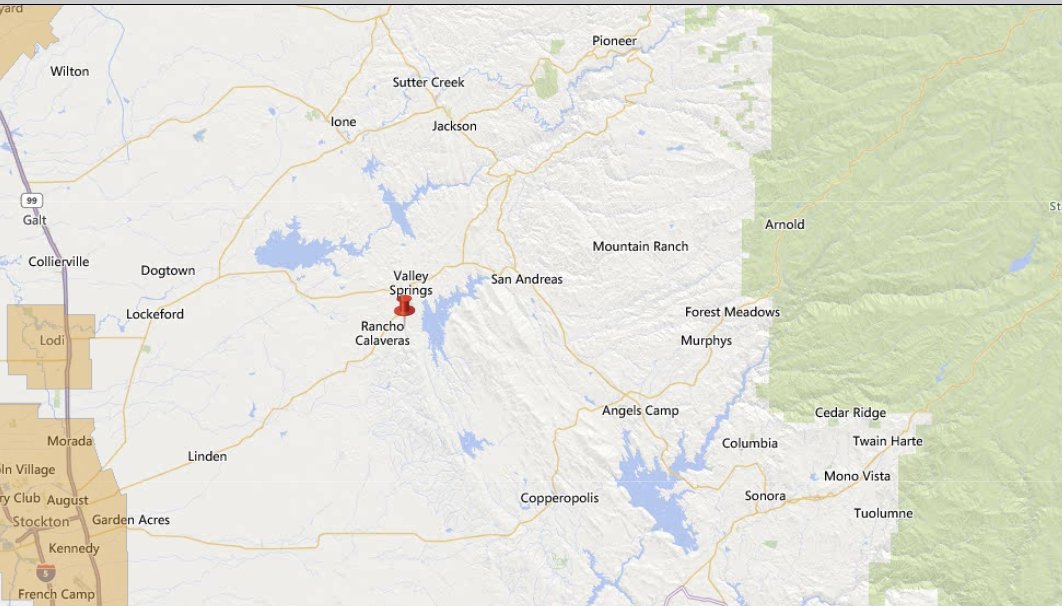
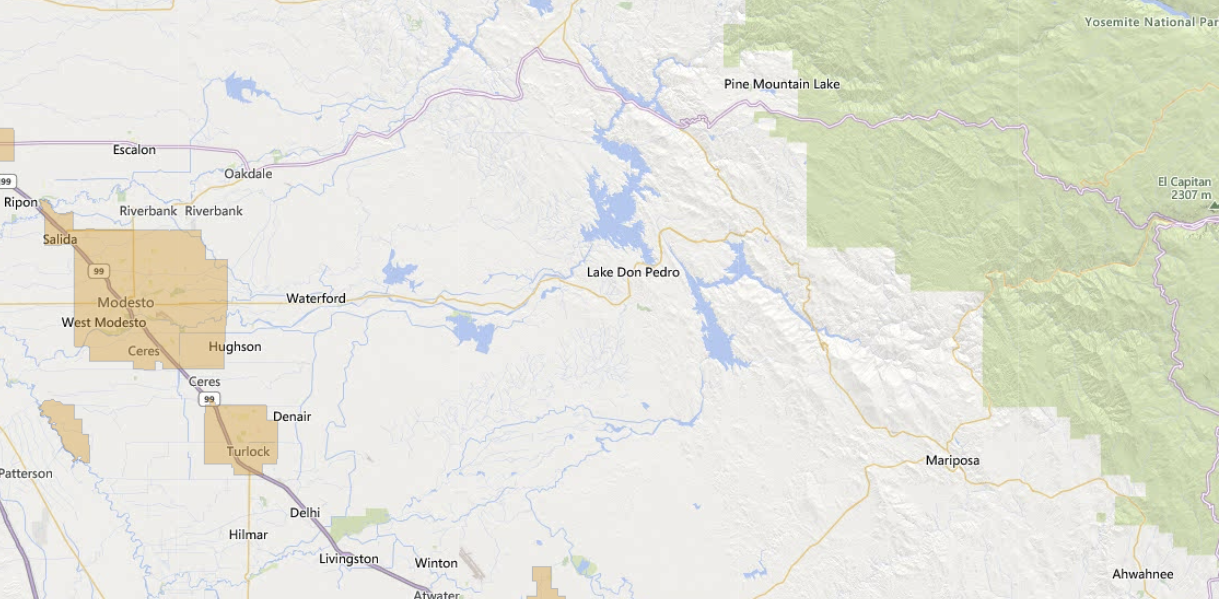
Eligibility is determined by the specific property location, so checking the actual address early in the process is important. Homes located in the area maps below are typically eligible, but you can check via this link -- Click here to check.
2. The home must be the buyer's primary residence
USDA financing is designed to help qualified borrowers purchase their primary residence.
It is not intended for vacation homes or investment properties.
The property also cannot be primarily designed or used for income-producing activities.
3. The home must be adequate, safe, and sanitary
This is the basic concept behind USDA property requirements.
The home needs to provide safe and adequate housing for the buyer. USDA isn't looking for a perfect house, and cosmetic problems generally aren't the issue.
The bigger concerns are conditions that affect health, safety, structural integrity, or the basic functionality of the home.
4. Existing homes must meet minimum property standards
For an existing home, the USDA appraisal does more than establish market value.
The appraiser also observes the property for readily apparent deficiencies and determines whether the home meets applicable minimum property requirements.
If something significant is identified, the appraisal may be made subject to repairs, additional inspections, or further documentation.
This is why property condition matters so much when accepting an offer from a USDA buyer.
5. Health and safety issues can become required repairs
Some of the most common problems are relatively minor but can still delay a transaction if they aren't handled quickly.
Examples can include:
- Missing or unsafe handrails
- Broken windows
- Exposed electrical wiring
- Plumbing leaks
- Significant moisture problems
- Unsafe steps or decking
- Deteriorated surfaces
- Other readily observable health or safety hazards
The key isn't whether the home is old. It's whether its condition creates an unacceptable health, safety, or structural concern.
6. The major systems need to work
The appraiser will look at the basic functionality and observable condition of the home.
That can include the:
- Roof
- Foundation
- Electrical system
- Plumbing
- Heating system
- Water supply
- Wastewater/septic system
For example, an old roof isn't automatically a problem simply because it's old. But an actively leaking or seriously deteriorated roof could require additional evaluation or repairs.
The same concept applies to other components of the property.
7. Watch for peeling paint on older homes
This is one of those small items that can become a big headache at the end of a transaction.
Homes built before 1978 receive additional attention because of potential lead-based paint hazards.
Peeling, chipping, or otherwise deteriorated painted surfaces may need to be properly repaired before closing.
For real estate agents, this is an easy item to look for when walking through an older property with a USDA buyer.
Don't wait until the appraisal to discover it.
8. Wells, septic systems, and private roads may need extra attention
Properties in USDA-eligible areas frequently have features you don't encounter as often in suburban tract homes.
Private wells and septic systems may require inspections, testing, certifications, or other documentation depending on the loan type, property and circumstances.
Private-road access can also require documentation showing the property has acceptable legal access and appropriate road-maintenance arrangements.
These issues don't necessarily prevent USDA financing—they just need to be identified early.
9. An appraisal is NOT a home inspection
This is important.
A USDA appraisal and a professional home inspection serve two different purposes.
The appraisal primarily establishes the property's value and evaluates whether it meets applicable program property standards.
A home inspection is much more detailed and is performed for the buyer's benefit.
A buyer shouldn't assume that because a property passes the USDA appraisal, everything in the house has been thoroughly inspected.
I strongly recommend that buyers obtain a professional home inspection.
10. Identify potential problems before the appraiser does
This is where an experienced real estate agent and loan officer can save a transaction a lot of unnecessary headaches.
If you're working with a USDA buyer, take a closer look at the property before writing the offer.
Look for obvious issues such as peeling paint, damaged steps, missing handrails, broken windows, roof problems, exposed wiring, plumbing leaks, moisture problems, or other obvious safety concerns.
A five-minute conversation before writing the offer can sometimes prevent a week-long problem after the appraisal comes back.
The bottom line
USDA loans can be one of the best home-buying programs available for qualified borrowers—especially because eligible buyers can purchase with zero down.
But remember:
The borrower has to qualify AND the property has to qualify.
Most homes in reasonable condition won't have major problems. The transactions that get into trouble are often the ones where obvious property issues weren't identified until after the USDA appraisal.
If you're a real estate agent working with a USDA buyer—or you're considering an offer using USDA financing—get me involved early.
I can help review the financing side of the transaction, identify potential USDA issues before they become closing problems, and help keep the loan moving toward the finish line.
The goal is simple: identify problems early, solve them early, and close on time.
- #Property condition
- #USDA loan
- #USDA zero down
More Property Condition & Appraisal guides
Disclaimer: Informative opinion based on decades of experience, not legal advice. Guidelines change and lenders differ in their interpretation and overlays — verify details with the lender handling your loan.