
Rate Tips
Truth About Online Rate Quotes

The Truth About Online Mortgage Rate Quotes
Shopping for a mortgage online can be confusing. One lender advertises an extremely low rate, another promises low fees, and an other claims to have the “best rates.”
The problem is that the advertised interest rate alone doesn’t tell you whether you’re getting a good deal.
What to know
- A low advertised rate may come with high lender fees or points.
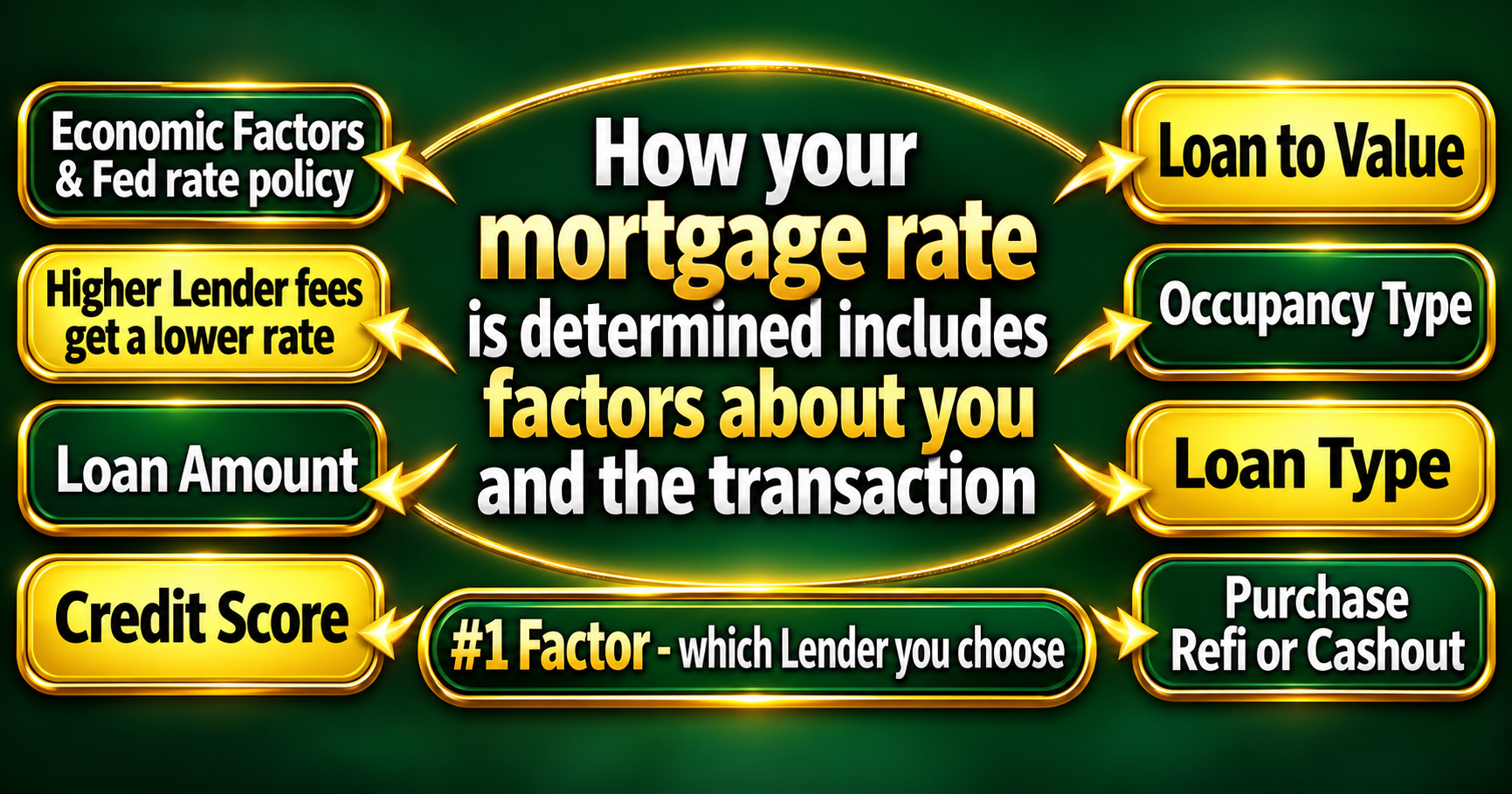
- Your actual mortgage rate depends on your specific borrower, property and loan details.
- Compare lender quotes at approximately the same time because mortgage pricing can change quickly.
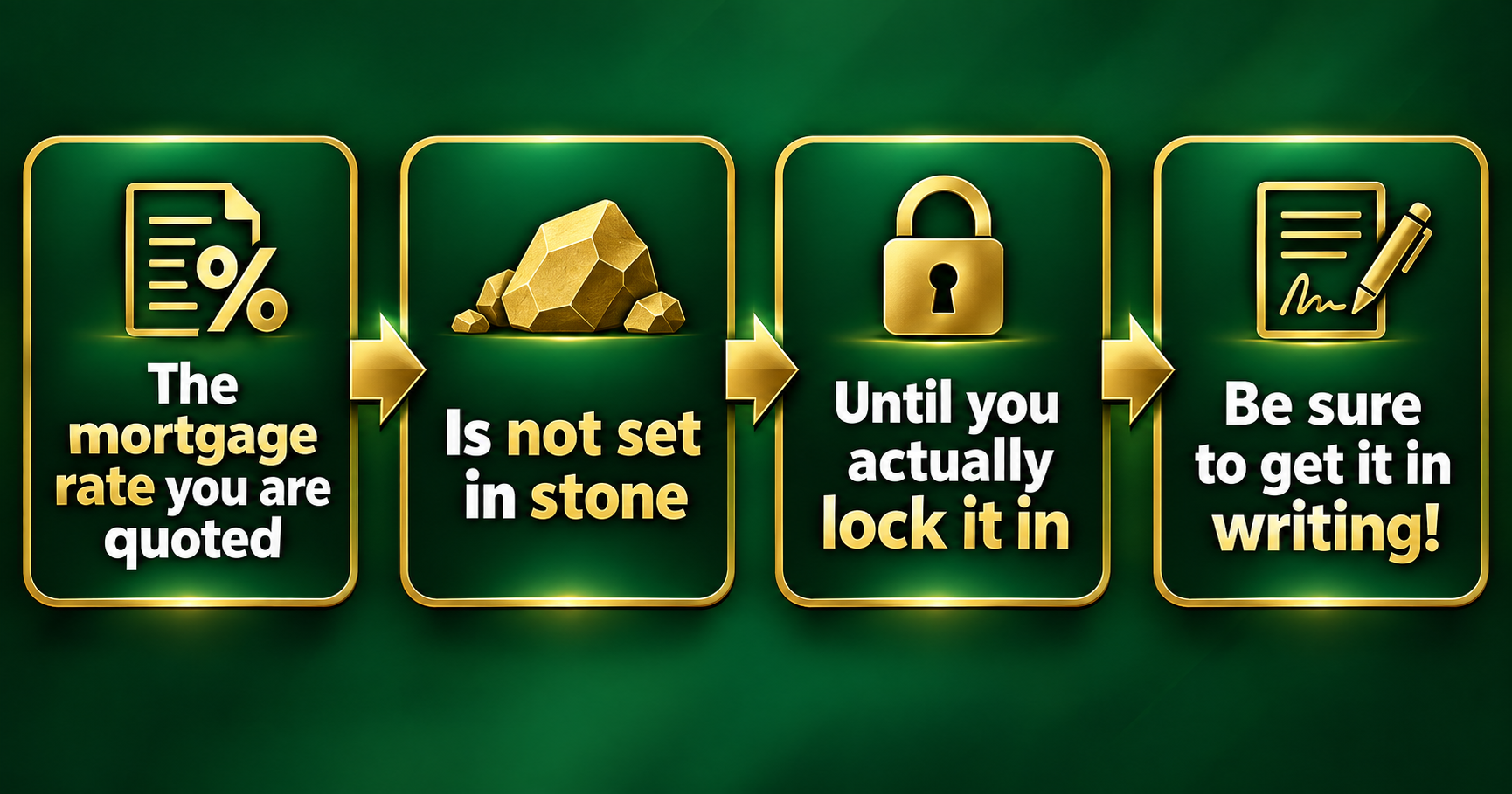
- The rate that matters is the rate and price you can actually lock.
- Always compare the interest rate AND the lender fees required to obtain it.
- Be cautious when one lender’s rate is dramatically lower than everyone else’s.
- Different lenders can have different markups, overhead and profit margins.
- Compare lenders using the exact same loan scenario.
- Shop the total loan price—not simply the advertised rate.
- Getting a second opinion before locking could save you thousands.
1. A Low Advertised Rate May Come With High Fees
A lender can advertise a very low mortgage rate while charging discount points, origination fees or other lender costs to obtain that rate.
Another lender might offer a slightly higher rate with substantially lower upfront costs.
That’s why asking, “What’s your lowest rate?” doesn’t tell you enough.
A better question is: What rate can I get, and exactly what will it cost me to get that rate?
2. Your Actual Rate Depends on Your Specific Loan
Online advertisements often show rates based on a specific borrower and property scenario that may not match yours.
Mortgage pricing can be affected by factors including:
- Credit score
- Loan amount
- Down payment and loan-to-value
- Loan program
- Loan term
- Fixed versus adjustable rate
- Property type
- Property occupancy
Conventional, FHA, VA and USDA loans can also have different rates and pricing.
Until these variables are considered, an online advertisement may not accurately represent the rate available for your loan.
3. Compare Mortgage Quotes at Approximately the Same Time
Mortgage rates can change from day to day and sometimes during the same day.
If you receive one lender’s quote Monday, another Tuesday and another Wednesday, you may not be making a true apples-to-apples comparison because market conditions may have changed.
For a more accurate comparison, ask competing lenders to price the same loan scenario at approximately the same time.
4. The Rate That Matters Is the Rate You Can Actually Lock
An attractive online quote doesn’t necessarily mean you can lock that rate.
This is especially important when purchasing a home. A rate you see today doesn’t guarantee that the same pricing will be available when you’re ready to lock.
Until your loan is ready to be locked, rate quotes are useful for comparison and planning, but they aren’t guarantees of future pricing.
5. Compare the Rate AND the Lender Fees
Mortgage pricing has two important components:
- The interest rate
- The cost required to obtain that rate
Those costs can include discount points, origination charges and other lender fees.
Paying thousands of dollars upfront to lower your rate slightly isn’t automatically a good deal.
Consider how much the lower rate saves each month, how much extra it costs upfront and how long you expect to keep the mortgage.
6. Watch Out for a Rate That Is Way Below Everyone Else
If several lenders are quoting rates within a similar range and one lender suddenly offers something dramatically lower, investigate the details before assuming it’s the best deal.
Ask whether the quote includes points or additional lender fees, what assumptions were used, whether the rate applies to your specific loan scenario and whether the rate can actually be locked.
Most importantly, get the numbers in writing so you can compare them properly.
7. Different Lenders Have Different Markups
Mortgage lenders operate in the same broad mortgage and capital markets, but that doesn’t mean they all price loans identically.
Each company has its own operating expenses, profit requirements, pricing policies and margins.
Large lenders may have substantial advertising, staffing, technology and infrastructure expenses. Smaller lenders and mortgage brokers may sometimes operate with lower overhead.
But don’t assume one lender is cheaper simply because of its size or name.
Compare the actual numbers.
8. Compare the Exact Same Loan Scenario
When shopping lenders, give each lender the same information and ask each to price the same loan scenario.
Compare the interest rate, discount points, origination charges, lender fees, loan program, loan term, principal and interest payment, rate-lock status, lock period and estimated closing costs.
Pay particular attention to the interest rate and lender-controlled fees rather than expenses such as property taxes and homeowners insurance that generally aren’t determined by the lender.
9. Shop the Loan Price—Not Just the Rate
The giant interest rate displayed in an online advertisement shouldn’t determine which lender you choose.
Instead, compare the complete loan price.
Look at the interest rate together with the lender fees required to obtain that rate. Make sure you’re comparing the same loan program, loan terms and borrower assumptions at approximately the same time.
That gives you a much better way to determine which lender is actually offering the better deal.

10. Get a Second Opinion Before You Lock
Already have a mortgage quote from a bank, online lender or another mortgage company?
Before you lock, consider getting a second opinion.
Compare the rate, discount points and lender fees side by side so you know what you’re actually paying—not simply what was advertised.
A careful comparison could save you thousands of dollars.
Mortgage rates, loan programs and underwriting requirements can change. Individual pricing depends on the borrower, property, loan program and current market conditions.
- #rate shopping
- #mortgage rates
- #First time home buyer
More Rate Tips guides
Disclaimer: Informative opinion based on decades of experience, not legal advice. Guidelines change and lenders differ in their interpretation and overlays — verify details with the lender handling your loan.